The best eco-friendly clothing brands are those that reduce environmental impact, prioritize ethical labor practices, use sustainable materials, and operate with transparency. Brands like Patagonia, Eileen Fisher, Reformation, Pact, and Outerknown consistently rank among the most responsible options in the U.S. market.
But here’s the honest truth: no clothing brand is 100% sustainable. Fashion, by nature, consumes resources. What separates the leaders from the rest is measurable effort—lower carbon emissions, better materials, fair wages, repair programs, and transparent supply chains.
In this guide, we’ll break down:
- What makes a clothing brand truly eco-friendly
- The best sustainable clothing brands in the U.S.
- Materials that matter (organic cotton, TENCEL™, recycled fibers, etc.)
- How to avoid greenwashing
- How to build a sustainable wardrobe
If you’re looking to shop better—not just trendier—you’re in the right place.
Why Eco-Friendly Clothing Matters
The fashion industry is one of the largest polluters globally. According to the U.S. Environmental Protection Agency (EPA), textiles accounted for over 11 million tons of municipal solid waste in 2018 alone. Most of it ends up in landfills.
The industry also contributes significantly to water pollution, microplastic shedding, and carbon emissions. The United Nations Environment Programme reports that fashion accounts for approximately 2–8% of global carbon emissions.
Sustainable brands attempt to address these problems through:
- Reduced water usage
- Organic or regenerative farming
- Recycled materials
- Ethical labor practices
- Circular programs (repair, resale, recycling)
Eco-friendly clothing isn’t about perfection—it’s about progress.
What Makes a Clothing Brand Truly Eco-Friendly?
Before diving into brand recommendations, it’s important to understand the criteria.
1. Sustainable Materials
Look for:
- Organic cotton (certified by GOTS)
- Recycled polyester or nylon
- TENCEL™ Lyocell
- Hemp
- Linen
- Regenerative wool
Conventional cotton uses significant water and pesticides. Organic alternatives dramatically reduce chemical usage.
2. Ethical Manufacturing
Brands should:
- Pay living wages
- Maintain safe working conditions
- Provide transparency about factories
- Publish supplier lists
Certifications like Fair Trade and SA8000 can signal accountability.
3. Environmental Transparency
Strong brands publish:
- Sustainability reports
- Carbon footprint data
- Water usage statistics
- Supply chain audits
If a brand claims to be “green” but offers no data, that’s a red flag.
4. Circularity Programs
The most advanced brands offer:
- Repair services
- Take-back programs
- Resale marketplaces
- Recycling initiatives
Circularity reduces landfill waste and extends garment life.
The Best Eco-Friendly Clothing Brands in 2026
Below are standout brands that consistently demonstrate environmental and ethical leadership.
1. Patagonia
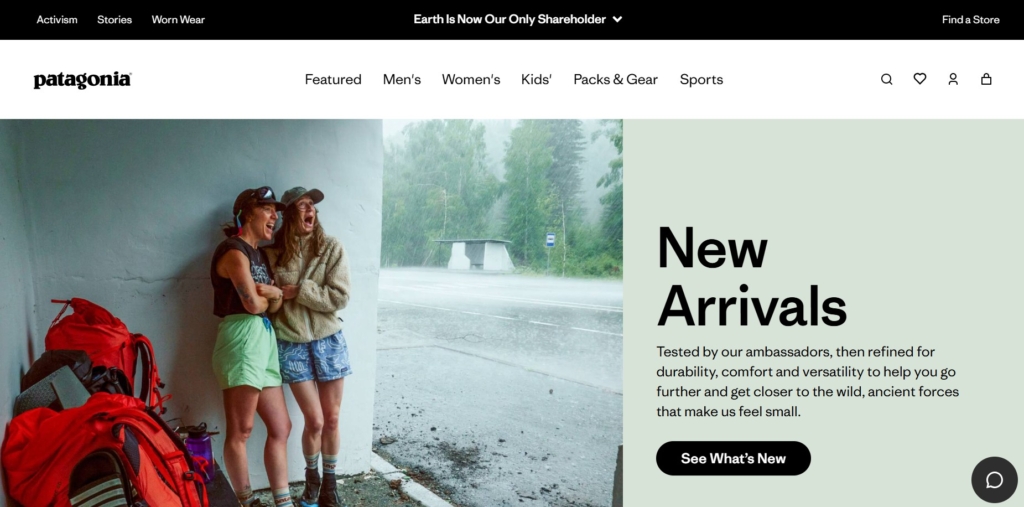
If sustainable fashion had a gold standard, Patagonia would be near the top.
Why It Stands Out
- Uses recycled polyester extensively
- Offers lifetime repairs
- Operates the Worn Wear resale program
- Transparent supply chain reporting
- Donates 1% of sales to environmental causes
Patagonia’s Worn Wear program encourages customers to repair rather than replace clothing—an approach that directly combats overconsumption.
The brand also became a certified B Corporation and remains a leader in corporate environmental activism.
Best For: Outdoor gear, jackets, fleeces, performance wear.
2. Eileen Fisher

Eileen Fisher proves that sustainability and timeless elegance can coexist.
Why It Stands Out
- Heavy use of organic and regenerative fibers
- The Renew take-back and resale program
- Transparent sustainability goals
- Minimalist, long-lasting design philosophy
Instead of chasing trends, Eileen Fisher focuses on longevity. The brand’s Renew program collects used garments and resells or repurposes them.
Best For: Workwear, minimalist fashion, capsule wardrobes.
3. Reformation
Reformation made sustainability cool.
Why It Stands Out
- Publishes environmental footprint data
- Carbon-neutral shipping
- Uses deadstock and low-impact fabrics
- Tracks water savings per garment
The brand makes sustainability measurable. Many product pages show estimated carbon, water, and waste savings.
Best For: Trend-forward dresses, event wear, casual chic.
4. Pact
Affordable sustainability is Pact’s specialty.
Why It Stands Out
- GOTS-certified organic cotton
- Fair Trade factories
- Accessible pricing
- Carbon offset initiatives
Pact focuses heavily on basics—T-shirts, underwear, loungewear—made with organic cotton.
Best For: Everyday essentials.
5. Outerknown
Founded by professional surfer Kelly Slater, Outerknown blends sustainability with laid-back California style.
Why It Stands Out
- Strong transparency standards
- Regenerative cotton initiatives
- Circular resale marketplace
- Fair labor commitments
Best For: Casual menswear, relaxed fits.
6. Girlfriend Collective
Girlfriend Collective uses recycled water bottles to create high-performance leggings and sports bras.
Why It Stands Out
- Transparent factory information
- Inclusive sizing
- Recycled materials
- Take-back recycling program
Best For: Sustainable activewear.
7. Everlane
Everlane built its reputation on “radical transparency.”
Why It Stands Out
- Factory cost breakdowns
- Cleaner denim production methods
- Increased use of organic and recycled fibers
While not perfect, Everlane has improved sustainability commitments in recent years.
Best For: Modern basics and workwear.
Sustainable Materials Explained
Understanding fabrics is essential when choosing eco-friendly clothing.
Organic Cotton
Uses significantly less synthetic pesticide than conventional cotton. GOTS certification ensures environmental and social standards.
TENCEL™ Lyocell
Made from sustainably harvested wood pulp. Requires less water and energy than cotton.
Recycled Polyester
Reduces reliance on virgin petroleum and diverts plastic waste from landfills.
Hemp
Requires minimal water and no synthetic pesticides. Extremely durable.
Linen
Made from flax, which requires less irrigation than cotton.
How to Avoid Greenwashing
Greenwashing happens when brands exaggerate sustainability claims.
Red flags include:
- Vague phrases like “eco-friendly” with no proof
- No sustainability report
- No supply chain transparency
- Only one “green” collection among otherwise fast fashion
Always look for certifications, public goals, and measurable reporting.
How to Build a Sustainable Wardrobe
Eco-friendly shopping is only part of the solution.
Buy Less
Quality over quantity.
Choose Versatile Pieces
Capsule wardrobes reduce unnecessary purchases.
Care for Clothing Properly
- Wash in cold water
- Air dry when possible
- Repair small damages
Embrace Secondhand
Thrifting and resale platforms significantly reduce environmental impact.
Are Sustainable Clothes More Expensive?
Often, yes—but not always.
You’re paying for:
- Better materials
- Ethical labor
- Environmental responsibility
- Higher durability
In many cases, sustainable clothing lasts longer, reducing cost-per-wear.
The Future of Eco-Friendly Fashion
The industry is shifting toward:
- Regenerative agriculture
- Carbon-neutral production
- Biodegradable textiles
- Circular design systems
Consumers are driving change by demanding transparency and accountability.
Conclusion
The best eco-friendly clothing brands combine sustainable materials, ethical labor, transparency, and long-term durability. Leaders like Patagonia, Eileen Fisher, Reformation, Pact, Outerknown, Girlfriend Collective, and Everlane prove that fashion can evolve toward responsibility.
Sustainability in clothing is not about perfection—it’s about conscious progress. Every purchase becomes a vote for the kind of industry we want to support.
If you’re building a sustainable wardrobe, start small. Replace essentials with organic or recycled alternatives. Support transparent brands. Buy less, choose well, and wear longer.
That’s how real change begins—one garment at a time.