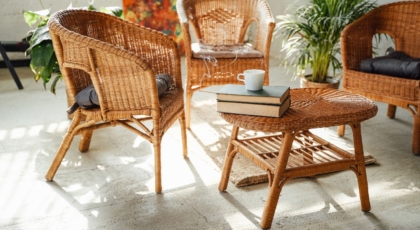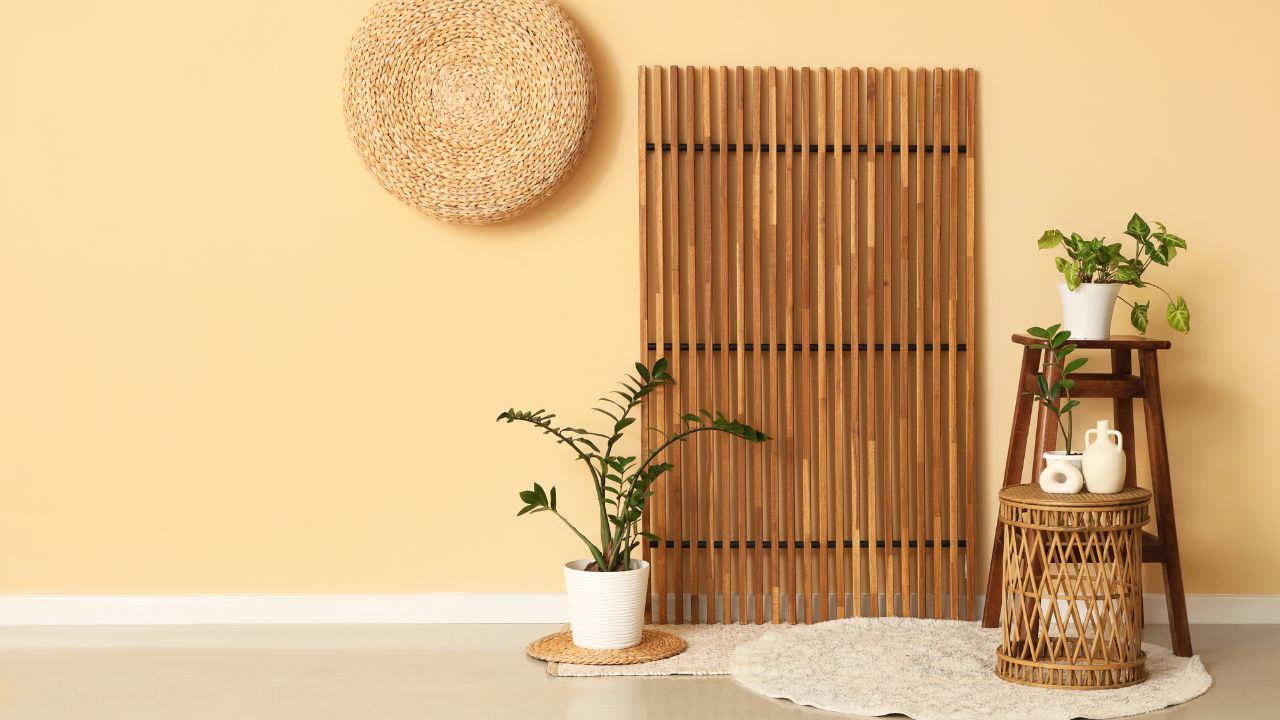
The best eco-friendly furniture brands are companies that prioritize sustainable materials, ethical manufacturing, responsible sourcing, and long-lasting product design. Leading brands such as Avocado, Medley, Sabai, Greenington, and Vermont Woods Studios are widely recognized in the United States for their commitment to environmental responsibility and ethical production practices. These companies focus on reducing carbon emissions, minimizing toxic chemicals, and supporting responsible forestry while producing durable, stylish furniture designed to last for years.
As sustainability becomes a top priority for American households, consumers are increasingly looking beyond aesthetics and price tags. They want furniture that supports healthier indoor environments, reduces environmental impact, and aligns with conscious living values. In this comprehensive guide, we’ll explore the best eco-friendly furniture brands, explain what makes furniture sustainable, and provide practical tips for building an environmentally responsible home.
Why Eco-Friendly Furniture Matters
Furniture production can have a surprisingly large environmental footprint. Traditional furniture manufacturing often relies on non-renewable materials, toxic finishes, synthetic foams, and unsustainable wood harvesting. Additionally, fast furniture—low-cost, mass-produced pieces designed for short-term use—contributes heavily to landfill waste.
According to the U.S. Environmental Protection Agency (EPA), millions of tons of furniture waste are generated annually, with a significant portion ending up in landfills. Many conventional furniture products also contain volatile organic compounds (VOCs), which can negatively impact indoor air quality and overall health.
Eco-friendly furniture brands aim to solve these issues by:
- Using responsibly sourced or reclaimed wood
- Choosing non-toxic finishes and adhesives
- Producing furniture designed for longevity
- Supporting ethical labor standards
- Reducing packaging waste
- Implementing recycling and circular economy programs
Sustainable furniture is not just environmentally responsible—it also promotes healthier living spaces.
What Makes Furniture Truly Eco-Friendly?
Before exploring the best brands, it’s essential to understand what separates genuinely sustainable furniture from greenwashing.
Sustainable Materials
Responsible furniture companies typically use:
- FSC-certified wood
- Reclaimed or recycled wood
- Bamboo and rapidly renewable materials
- Organic fabrics and natural latex
- Recycled metals and textiles
The Forest Stewardship Council (FSC) certification is especially important because it verifies that wood is harvested from responsibly managed forests.
Non-Toxic Finishes and Adhesives
Traditional furniture may contain chemical-based finishes and glues that release VOCs. Sustainable brands often use:
- Water-based finishes
- Natural oils and waxes
- Formaldehyde-free adhesives
- GREENGUARD-certified materials
These choices improve indoor air quality and reduce long-term health risks.
Ethical and Transparent Manufacturing
Responsible brands prioritize:
- Fair wages and safe working conditions
- Domestic or traceable manufacturing
- Transparent supply chains
- Carbon footprint reduction initiatives
Durability and Longevity
The most sustainable furniture is furniture that lasts. High-quality construction, repairable components, and timeless design help prevent furniture from ending up in landfills.
The Best Eco-Friendly Furniture Brands in the U.S.
Below are some of the most trusted sustainable furniture companies known for environmental responsibility and craftsmanship.
1. Avocado
Avocado is widely known for its sustainable mattresses, but it has expanded into eco-friendly furniture that reflects the same environmental standards.
Why Avocado Stands Out
Avocado uses FSC-certified wood, organic latex, organic cotton, and non-toxic finishes across its furniture collections. The brand manufactures products in its own facilities, allowing greater control over environmental and labor standards.
Avocado is also a certified B Corporation, meaning it meets high social and environmental performance benchmarks. The company actively supports climate initiatives and uses renewable energy in its production processes.
Best Products
- Bed frames
- Bedroom furniture
- Organic mattresses and accessories
Avocado’s commitment to organic materials and chemical-free finishes makes it a strong choice for consumers concerned about indoor air quality.
2. Medley
Medley has become one of the most respected sustainable furniture brands due to its customizable designs and environmentally responsible manufacturing.
Why Medley Stands Out
Medley uses kiln-dried hardwood sourced from domestic suppliers and avoids harmful flame retardants. Customers can select organic fabrics, natural latex cushions, and low-VOC finishes, allowing complete customization of sustainable options.
Medley also produces furniture in California, reducing transportation emissions and supporting American craftsmanship.
Best Products
- Sofas and sectionals
- Dining furniture
- Storage pieces
Medley’s made-to-order model also helps reduce waste by avoiding mass production.
3. Sabai
Sabai focuses on creating modern, affordable eco-friendly furniture designed for urban living.
Why Sabai Stands Out
Sabai emphasizes recycled materials, FSC-certified wood, and modular furniture designs that can be repaired or upgraded instead of replaced. The company also offers a buy-back program that promotes circular furniture ownership.
Sabai’s mission is to make sustainability accessible rather than exclusive to luxury markets.
Best Products
- Modular sofas
- Sectional seating
- Recycled fabric upholstery
Sabai’s furniture is ideal for younger homeowners and apartment dwellers seeking environmentally responsible options.
4. Greenington
Greenington specializes in bamboo furniture, offering stylish pieces made from one of the most renewable materials available.
Why Greenington Stands Out
Bamboo grows significantly faster than traditional hardwood trees, making it an environmentally friendly alternative. Greenington uses solid bamboo construction, ensuring durability while reducing reliance on slow-growing forests.
The company also uses low-emission finishes and sustainable manufacturing processes.
Best Products
- Dining tables
- Bedroom furniture
- Office desks
Greenington furniture combines modern design with strong environmental credentials.
5. Vermont Woods Studios
Vermont Woods Studios is a leader in American-made sustainable hardwood furniture.
Why Vermont Woods Studios Stands Out
The company partners with small family-owned workshops across Vermont, supporting local economies and preserving traditional woodworking techniques. All wood used is FSC-certified and harvested from responsibly managed forests.
Vermont Woods Studios also focuses heavily on heirloom-quality furniture designed to last for generations.
Best Products
- Solid wood bedroom sets
- Dining room furniture
- Office furniture
The brand is ideal for buyers seeking premium craftsmanship and long-term sustainability.
6. Maiden Home
Maiden Home combines luxury design with ethical American manufacturing.
Why Maiden Home Stands Out
The company works with North Carolina artisans and focuses on high-quality upholstery using responsibly sourced materials. Its direct-to-consumer model reduces unnecessary retail overhead and waste.
Maiden Home emphasizes durability, ensuring furniture remains functional and stylish for years.
Best Products
- Sofas and lounge chairs
- Accent furniture
- Upholstered seating
7. Thuma
Thuma has gained popularity for its minimalist, sustainable bedroom furniture.
Why Thuma Stands Out
The brand uses responsibly sourced wood, non-toxic finishes, and durable joinery techniques that eliminate the need for excessive hardware. Thuma furniture is also designed for easy assembly and long-term stability.
Best Products
- Platform beds
- Bedroom furniture
- Storage solutions
How to Choose Eco-Friendly Furniture
Selecting sustainable furniture requires more than reading product descriptions. Consider the following factors.
Look for Certifications
Certifications help verify environmental claims. Common certifications include:
- FSC certification for wood
- GREENGUARD certification for indoor air quality
- Global Organic Textile Standard (GOTS) for fabrics
Research Materials and Construction
Solid wood furniture generally lasts longer than particleboard or MDF. Additionally, natural upholstery materials like organic cotton and wool tend to be more sustainable than synthetic alternatives.
Evaluate Longevity and Repairability
Furniture designed for disassembly and repair reduces long-term environmental impact. Replaceable cushions, modular components, and durable hardware extend product life.
Consider Local Manufacturing
American-made furniture often reduces transportation emissions and supports domestic labor standards. Many sustainable brands emphasize local production.
Common Sustainable Furniture Materials Explained
Understanding materials helps consumers make informed purchasing decisions.
Reclaimed Wood
Reclaimed wood repurposes existing timber from buildings or older furniture, reducing deforestation and landfill waste.
Bamboo
Bamboo grows rapidly and regenerates without replanting. It is strong, lightweight, and increasingly popular in sustainable furniture manufacturing.
Natural Latex
Derived from rubber tree sap, natural latex is biodegradable and commonly used in cushions and mattresses.
Organic Fabrics
Organic cotton, hemp, and wool are grown without harmful pesticides and processed using safer manufacturing methods.
Avoiding Greenwashing in Furniture Shopping
Greenwashing is common in the furniture industry. Consumers should be cautious of vague claims such as “eco-friendly” or “natural” without supporting certifications or transparency.
Reliable brands typically publish sustainability reports, detail their supply chains, and clearly explain material sourcing. If a company offers minimal environmental information, it may not meet genuine sustainability standards.
Budget Considerations for Sustainable Furniture
Eco-friendly furniture often comes with higher upfront costs due to superior materials and ethical manufacturing. However, long-lasting furniture typically offers better long-term value by reducing replacement frequency.
Consumers can save money by:
- Purchasing fewer but higher-quality pieces
- Shopping during seasonal sales
- Exploring refurbished or secondhand sustainable furniture
- Prioritizing essential furniture upgrades first
The Future of Eco-Friendly Furniture
The sustainable furniture industry continues evolving through:
- Carbon-neutral manufacturing
- Recycled composite materials
- Circular design programs
- Biodegradable upholstery technologies
- Smart furniture designed for multi-purpose use
As consumer awareness increases, more brands are investing in environmentally responsible production practices.
Conclusion
The best eco-friendly furniture brands prioritize responsible material sourcing, ethical manufacturing, and durable product design. Companies like Avocado, Medley, Sabai, Greenington, Vermont Woods Studios, Maiden Home, and Thuma are leading the shift toward sustainable furniture in the United States.
Choosing eco-friendly furniture is not just about environmental responsibility—it’s about creating healthier homes and investing in long-lasting quality. By understanding materials, certifications, and manufacturing practices, consumers can make informed purchasing decisions that benefit both their households and the planet.
Sustainable furniture represents a long-term investment in comfort, style, and environmental stewardship. With thoughtful selection and responsible home management, modern households can successfully balance functionality with sustainability.