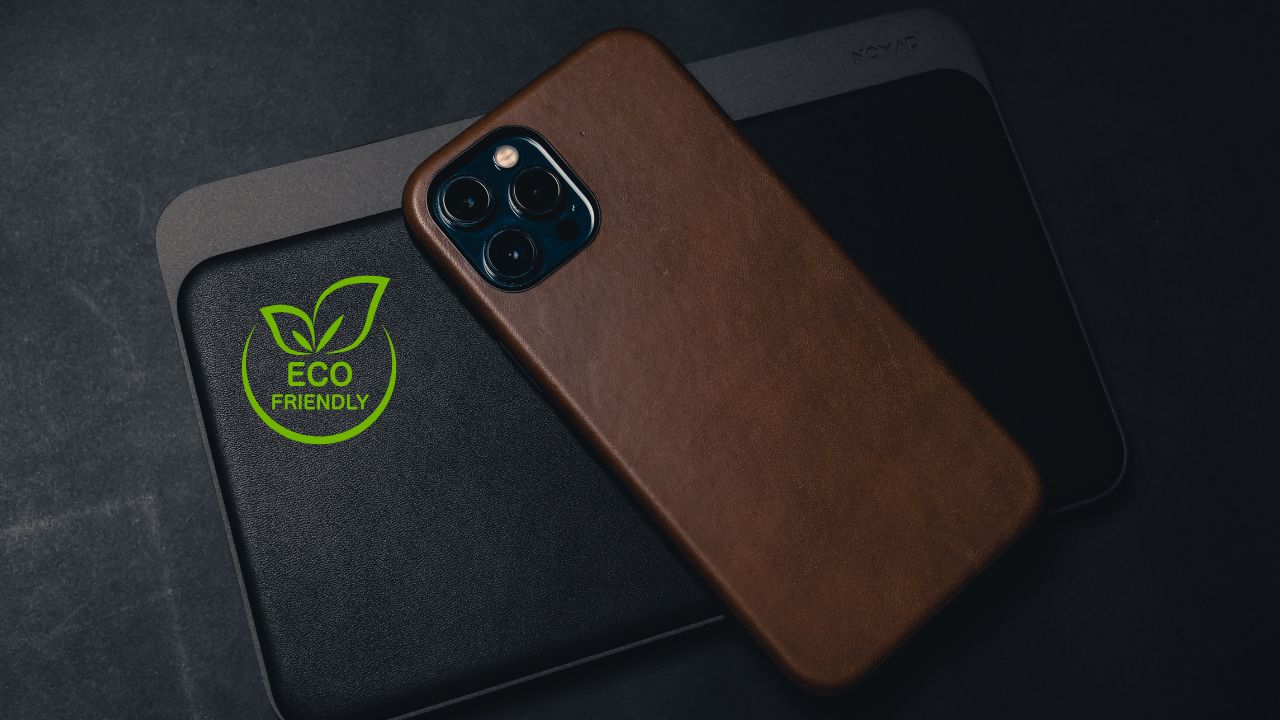
Eco-friendly phone cases are smartphone protective covers made from sustainable, biodegradable, recycled, or environmentally responsible materials designed to reduce plastic waste and environmental impact. Unlike traditional phone cases made from petroleum-based plastics, eco-friendly options focus on durability, sustainability, and safe disposal.
As smartphone usage continues to grow across the United States, so does the demand for accessories like phone cases. Millions of plastic phone cases are produced each year, and most eventually end up in landfills or oceans where they can take hundreds of years to decompose. Eco-friendly phone cases offer a smarter alternative by protecting your device while minimizing harm to the environment.
This article explores everything you need to know about eco-friendly phone cases, including their materials, benefits, effectiveness, cost, environmental impact, and how to choose the best one. Whether you’re environmentally conscious or simply curious about sustainable tech accessories, this guide provides detailed, practical insights.
Why Eco-Friendly Phone Cases Matter
Smartphone ownership in the United States is nearly universal. According to the Pew Research Center, approximately 85% of Americans own a smartphone. With frequent device upgrades and accessory replacements, phone cases contribute significantly to plastic waste.
The Environmental Problem with Traditional Phone Cases
Most conventional phone cases are made from:
- Polycarbonate plastic
- Thermoplastic polyurethane (TPU)
- Silicone derived from synthetic polymers
These materials are durable but rarely biodegradable. When discarded, they can persist in landfills for centuries and contribute to microplastic pollution.
Phone cases are also difficult to recycle because they often combine multiple materials, dyes, and coatings. As a result, many recycling programs reject them entirely.
Eco-friendly phone cases address these challenges by using renewable, recyclable, or compostable materials that reduce environmental damage.
What Makes a Phone Case Eco-Friendly?
Not every phone case labeled “green” or “natural” is truly sustainable. Genuine eco-friendly phone cases typically meet several criteria.
Sustainable Materials
Eco-friendly cases are made from renewable or recycled materials that reduce reliance on fossil fuels.
Biodegradability or Compostability
Some sustainable cases naturally break down into non-toxic components after disposal.
Responsible Manufacturing
Eco-friendly brands often reduce carbon emissions, energy consumption, and water waste during production.
Minimal or Recyclable Packaging
Sustainable packaging further reduces environmental impact.
Long-Term Durability
A truly eco-friendly phone case should last long enough to prevent frequent replacements.
Popular Materials Used in Eco-Friendly Phone Cases
Understanding materials helps consumers choose sustainable and durable options.
1. Bioplastics
Bioplastics are derived from plant-based sources such as corn starch, wheat straw, or sugarcane. Unlike petroleum plastics, bioplastics are renewable and sometimes compostable.
Advantages:
- Reduced fossil fuel dependence
- Often biodegradable
- Lightweight and flexible
Limitations:
- Composting may require industrial facilities
- Durability varies by manufacturer
2. Bamboo and Natural Wood
Bamboo is one of the fastest-growing renewable materials. Wooden phone cases often use sustainably harvested bamboo or cork.
Advantages:
- Naturally biodegradable
- Strong and lightweight
- Unique aesthetic appearance
Limitations:
- May lack shock absorption if not reinforced
- Limited water resistance
3. Recycled Plastics
Some eco-friendly brands repurpose ocean plastics or post-consumer recycled materials.
Advantages:
- Reduces existing plastic waste
- Maintains durability similar to traditional cases
- Often fully recyclable again
Limitations:
- Still plastic-based
- Recycling depends on local programs
4. Cork
Cork is harvested from cork oak trees without cutting them down. It regenerates naturally, making it highly sustainable.
Advantages:
- Lightweight
- Naturally antimicrobial
- Renewable harvesting process
Limitations:
- May show wear over time
- Usually combined with other materials for protection
5. Wheat Straw Fiber
Wheat straw is an agricultural byproduct repurposed into durable phone case material.
Advantages:
- Uses farm waste that would otherwise be discarded
- Lightweight and biodegradable
- Reduces agricultural burning pollution
Limitations:
- Typically blended with polymers for durability
6. Recycled Silicone Alternatives
Some companies produce silicone-like materials using recycled or partially bio-based compounds.
Advantages:
- Flexible and protective
- Long-lasting
- Reduced petroleum usage
Limitations:
- Not always biodegradable
Benefits of Eco-Friendly Phone Cases
Choosing sustainable phone cases offers advantages beyond environmental protection.
Reduced Plastic Pollution
Traditional plastic accessories contribute to landfill accumulation and ocean pollution. Eco-friendly alternatives significantly reduce waste production.
Lower Carbon Footprint
Sustainable materials typically require less energy and fewer emissions during production compared to petroleum-based plastics.
Health and Safety
Many eco-friendly phone cases avoid toxic dyes, BPA, phthalates, and chemical coatings commonly found in conventional plastics.
Unique and Stylish Designs
Eco-friendly cases often feature natural textures and handcrafted finishes that stand out from mass-produced plastic cases.
Supporting Ethical Brands
Purchasing eco-friendly accessories often supports companies committed to sustainability, fair labor practices, and environmental initiatives.
Are Eco-Friendly Phone Cases Durable?
One common concern is whether sustainable phone cases provide adequate device protection. Modern eco-friendly cases are designed to meet durability standards comparable to traditional cases.
Shock Absorption
Many biodegradable cases incorporate flexible biopolymers that absorb impact during drops.
Scratch Resistance
Materials such as bamboo composites and reinforced bioplastics provide strong scratch protection.
Longevity
High-quality eco-friendly cases can last several years when properly maintained.
However, durability varies by brand and material, so it is important to review product specifications and certifications.
Compostable vs. Recyclable Phone Cases
Eco-friendly phone cases generally fall into two disposal categories.
Compostable Cases
Compostable cases break down into natural materials without leaving harmful residues. Many require industrial composting facilities to degrade properly.
Recyclable Cases
Recyclable cases are designed to be reprocessed into new products. Some companies offer take-back programs to ensure proper recycling.
Understanding disposal methods helps maximize environmental benefits.
How to Choose the Best Eco-Friendly Phone Case
Selecting the right sustainable phone case requires evaluating several important factors.
Check Material Transparency
Reputable brands clearly disclose materials and sourcing information.
Look for Environmental Certifications
Certifications provide independent verification of sustainability claims.
Common certifications include:
- FSC certification for sustainable wood sourcing
- USDA BioPreferred label
- Carbon-neutral manufacturing certifications
Evaluate Protection Features
Ensure the case offers adequate shock resistance, raised edges, and drop protection.
Consider Compatibility and Fit
Choose cases specifically designed for your smartphone model to ensure proper protection.
Review Brand Sustainability Practices
Companies committed to sustainability often publish environmental reports, recycling programs, and supply chain transparency.
Leading Trends in Eco-Friendly Phone Case Innovation
The sustainable accessory industry continues evolving with new technology and design improvements.
Ocean Plastic Recovery
Some companies collect ocean waste and transform it into durable phone cases, reducing marine pollution.
Carbon Neutral Manufacturing
Brands are offsetting emissions through renewable energy investments and carbon offset programs.
Modular Phone Case Design
Modular cases allow consumers to replace damaged components instead of discarding entire cases.
Plant-Based Dye Technology
Natural dyes reduce chemical pollution while maintaining vibrant color options.
Cost Comparison: Eco-Friendly vs. Traditional Phone Cases
Eco-friendly phone cases are sometimes slightly more expensive than conventional plastic cases. However, several factors justify the price difference.
Long-Term Value
Higher-quality materials often increase durability, reducing replacement frequency.
Environmental Responsibility
Many consumers consider sustainability an investment in environmental preservation.
Growing Market Competition
As eco-friendly accessories become more popular, prices continue decreasing.
Budget-friendly sustainable phone cases are now widely available through major retailers and online marketplaces.
Environmental Impact of Smartphone Accessories
While smartphones receive significant attention for environmental impact, accessories like phone cases also contribute to electronic waste and plastic pollution.
Landfill Overflow
Plastic phone cases rarely decompose and occupy landfill space for decades or centuries.
Microplastic Pollution
Degrading plastic accessories release microplastics that contaminate water sources and harm wildlife.
Manufacturing Emissions
Petroleum-based plastics require high-energy production processes that contribute to greenhouse gas emissions.
Eco-friendly phone cases help address these issues by using renewable or recycled materials and reducing resource consumption.
Proper Disposal of Eco-Friendly Phone Cases
Maximizing environmental benefits requires proper disposal.
Follow Manufacturer Instructions
Some compostable cases require specific composting facilities.
Use Brand Recycling Programs
Many sustainable brands offer return programs to recycle used cases responsibly.
Avoid Mixing with Standard Plastic Recycling
Biodegradable materials can contaminate conventional recycling streams.
Caring for Eco-Friendly Phone Cases
Proper maintenance extends the lifespan of sustainable phone cases.
Clean Regularly
Use mild soap and water to remove dirt and bacteria.
Avoid Extreme Heat
Some biodegradable materials may weaken under high temperatures.
Inspect for Damage
Replace cases when structural protection weakens to maintain device safety.
Common Myths About Eco-Friendly Phone Cases
Myth 1: They Are Not Strong Enough
Modern eco-friendly materials undergo rigorous testing and often match or exceed durability standards.
Myth 2: They Only Appeal to Environmental Activists
Sustainable phone cases attract a wide audience, including consumers seeking stylish, high-quality accessories.
Myth 3: They Are Always Expensive
Affordable eco-friendly options are increasingly available due to growing demand and technological improvements.
The Future of Sustainable Smartphone Accessories
The eco-friendly phone case market is expanding rapidly due to consumer awareness and regulatory pressure to reduce plastic waste.
Future innovations may include:
- Fully home-compostable protective materials
- Smart biodegradable polymers with enhanced durability
- Closed-loop recycling programs
- Zero-waste packaging systems
These developments will likely make sustainable accessories more accessible and effective.
How Consumers Can Support Sustainability Beyond Phone Cases
Switching to eco-friendly phone cases is a valuable step toward responsible technology use. Consumers can further reduce environmental impact by:
- Choosing refurbished smartphones
- Using biodegradable screen protectors
- Recycling electronic devices properly
- Supporting brands committed to sustainability
Small changes in purchasing habits can create significant environmental benefits over time.
Conclusion
Eco-friendly phone cases provide a practical, stylish, and environmentally responsible alternative to traditional plastic smartphone accessories. By using renewable, biodegradable, or recycled materials, these cases reduce pollution, conserve natural resources, and promote sustainable manufacturing practices.
As smartphone ownership continues to grow across the United States, the environmental impact of accessories cannot be ignored. Eco-friendly phone cases offer an effective solution by combining durability, design, and sustainability.
Choosing a sustainable phone case is a simple yet meaningful step toward reducing plastic waste and supporting eco-conscious innovation. With advancements in material science and increasing consumer demand, eco-friendly phone cases are becoming more accessible, affordable, and protective than ever before.
By making informed purchasing decisions, consumers can protect their devices while contributing to a healthier planet.