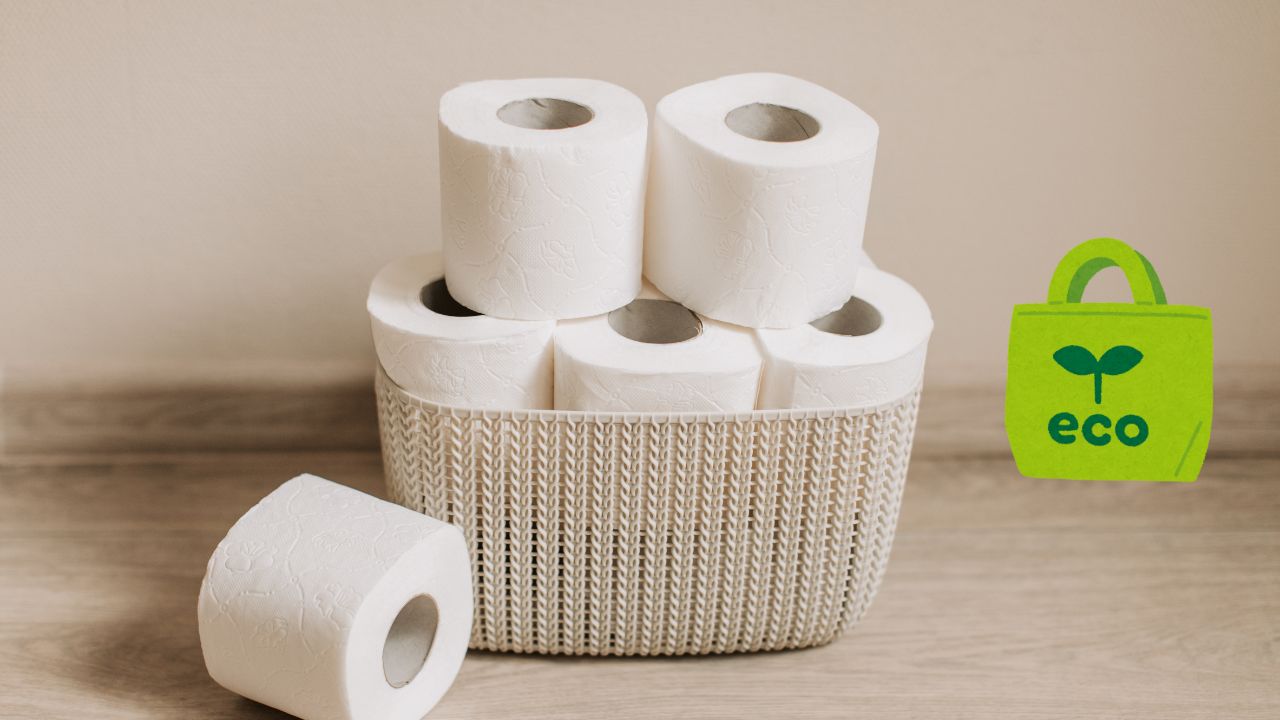
Eco-friendly toilet paper is toilet paper made from sustainable, recycled, or rapidly renewable materials and produced using environmentally responsible methods that reduce deforestation, water pollution, and carbon emissions. In short: it’s toilet paper designed to do its job without wrecking forests or waterways.
If you want a direct answer upfront, here it is: eco-friendly toilet paper significantly reduces environmental harm compared to conventional toilet paper made from virgin tree pulp, and it does so without sacrificing comfort, strength, or hygiene.
Toilet paper might seem like a small, everyday purchase, but in the United States, it has an outsized environmental footprint. Americans use an estimated 140 rolls of toilet paper per person per year, making the U.S. one of the largest toilet paper consumers in the world. That adds up to millions of trees cut down annually—many from old-growth or climate-critical forests.
This article takes a deep dive into eco-friendly toilet paper: what it is, why it matters, how it’s made, what materials are best, how it compares to traditional toilet paper, and how to choose the best option for your household. If you’ve ever wondered whether switching toilet paper actually makes a difference, you’re about to find out.
Why Conventional Toilet Paper Is an Environmental Problem
To understand why eco-friendly toilet paper matters, we need to look at how most traditional toilet paper is made.
Virgin Tree Pulp and Deforestation
The majority of mainstream toilet paper brands in the U.S. are made from virgin wood pulp, meaning freshly cut trees rather than recycled paper. According to environmental organizations, much of this pulp comes from boreal forests in Canada—one of the world’s most important carbon sinks.
These forests play a crucial role in:
- Storing carbon
- Regulating climate
- Supporting wildlife habitats
Cutting them down for single-use paper products is widely considered unsustainable.
Heavy Water and Chemical Use
Conventional toilet paper production is extremely resource-intensive. It requires:
- Large volumes of water
- Energy-intensive processing
- Chemical treatments, including bleaching
Many brands use chlorine-based bleaching processes, which can release harmful byproducts into waterways.
Short Lifespan, Long-Term Impact
Toilet paper is used once and flushed away within seconds. Yet the environmental damage caused by harvesting trees, processing pulp, and transporting rolls can last decades.
Eco-friendly toilet paper exists to break this cycle.
What Makes Toilet Paper Eco-Friendly?
Not all toilet paper labeled “green” or “natural” is truly eco-friendly. A genuinely eco-friendly toilet paper meets several key criteria.
Sustainable Raw Materials
Eco-friendly toilet paper avoids virgin tree pulp and instead uses:
- Recycled paper
- Bamboo
- Other rapidly renewable fibers
Reduced Chemical Processing
Greener options minimize or eliminate:
- Chlorine bleach
- Artificial dyes
- Added fragrances
Lower Water and Energy Use
Sustainable manufacturing processes use less water and energy per roll.
Responsible Packaging
Eco-friendly toilet paper is often packaged in:
- Recyclable paper
- Plastic-free wrapping
- Compostable materials
Transparency and Certifications
Credible eco-friendly brands clearly disclose sourcing, materials, and environmental practices.
Materials Used in Eco-Friendly Toilet Paper
The material used makes the biggest difference in environmental impact.
1. Recycled Paper Toilet Paper
Recycled toilet paper is made from post-consumer recycled paper, such as office paper and cardboard.
Environmental Benefits
- Saves trees
- Uses significantly less water and energy
- Keeps paper waste out of landfills
Common Concerns
Older recycled toilet paper had a reputation for being rough or weak. Modern manufacturing has largely solved this problem, producing rolls that are soft, strong, and absorbent.
2. Bamboo Toilet Paper
Bamboo toilet paper has surged in popularity—and for good reason.
Why Bamboo Is Sustainable
- Grows extremely fast (some species grow over 3 feet per day)
- Regenerates without replanting
- Requires little water and no pesticides
Environmental Trade-Offs
While bamboo itself is renewable, most bamboo toilet paper is manufactured overseas and shipped to the U.S., increasing transportation emissions. That said, many brands offset this footprint through carbon-neutral shipping.
3. Sugarcane and Agricultural Fiber
Some eco-friendly toilet papers use byproducts from sugarcane processing (bagasse).
Benefits
- Uses waste materials
- Reduces agricultural burning
- Low environmental footprint
These options are less common but gaining attention.
Bleaching: Why It Matters More Than You Think
One often-overlooked factor is how toilet paper is bleached.
Chlorine Bleaching vs. Safer Alternatives
Traditional toilet paper is often bleached using elemental chlorine, which can create harmful compounds when released into waterways.
Eco-friendly toilet paper uses safer alternatives such as:
- Totally chlorine-free (TCF) processes
- Oxygen-based or hydrogen peroxide bleaching
Unbleached or lightly bleached toilet paper may appear off-white or light brown, but that color is a sign of fewer chemicals—not lower cleanliness.
Is Eco-Friendly Toilet Paper Actually Hygienic?
Yes. This is a common concern, and it’s largely unfounded.
Eco-friendly toilet paper meets the same hygiene and safety standards as conventional toilet paper. Recycled paper used in toilet paper undergoes high-heat processing and sanitation steps that remove contaminants.
In everyday use, there is no hygiene disadvantage to using recycled or bamboo toilet paper.
Softness, Strength, and Performance
Let’s be honest: no one wants to sacrifice comfort in the bathroom.
How Eco-Friendly Toilet Paper Performs
Modern eco-friendly toilet paper is:
- Soft enough for daily use
- Strong enough to avoid tearing
- Absorbent and septic-safe
Advances in fiber processing and embossing techniques have closed the performance gap between eco-friendly and traditional toilet paper.
Many people who switch report they can’t tell the difference—or actually prefer the texture.
Septic Systems and Eco-Friendly Toilet Paper
Eco-friendly toilet paper is generally safe for septic systems and can even be better than conventional options.
Why It’s Septic-Friendly
- Shorter fibers break down faster
- Fewer chemical additives
- Reduced clogging risk
This makes eco-friendly toilet paper a good choice for:
- Septic tanks
- RVs
- Older plumbing systems
Always check brand labeling if septic compatibility is a concern.
Cost: Is Eco-Friendly Toilet Paper More Expensive?
Eco-friendly toilet paper used to cost significantly more, but that gap has narrowed.
Price Breakdown
Recycled toilet paper is often:
- Comparable in price to mid-range conventional brands
- Sometimes cheaper when bought in bulk
Bamboo toilet paper tends to be:
- Slightly more expensive
- Offset by durability (fewer sheets per use)
Subscription models and bulk purchasing have made sustainable options more accessible to U.S. households.
Environmental Impact: The Big Picture
Switching toilet paper may feel small, but the cumulative effect is substantial.
Environmental Benefits of Eco-Friendly Toilet Paper
- Fewer trees cut down
- Lower greenhouse gas emissions
- Reduced water pollution
- Less landfill waste
According to the Environmental Protection Agency, reducing paper consumption and choosing recycled products is one of the most effective ways consumers can lower their environmental footprint.
Packaging: An Often-Ignored Issue
Many conventional toilet paper brands wrap rolls in plastic, adding to plastic pollution.
Eco-friendly toilet paper brands often use:
- Paper-based packaging
- Compostable wrap
- Plastic-free shipping boxes
This small change significantly reduces household plastic waste over time.
How to Identify Truly Eco-Friendly Toilet Paper
Greenwashing is common in the paper products industry. Here’s how to avoid it.
What to Look For
- “100% recycled content” (preferably post-consumer)
- “Totally chlorine-free” or “TCF”
- Clear sourcing information
Trusted Certifications
- Forest Stewardship Council (FSC) certification
- EPA recommendations and recycled content standards
Environmental groups like the Natural Resources Defense Council regularly evaluate toilet paper brands for sustainability and transparency.
Recycled vs. Bamboo Toilet Paper: Which Is Better?
There’s no one-size-fits-all answer—it depends on priorities.
Recycled Toilet Paper Is Best If You Want:
- Lowest overall environmental impact
- Reduced waste
- Domestic production
Bamboo Toilet Paper Is Best If You Want:
- Ultra-soft texture
- Tree-free materials
- Rapidly renewable sourcing
From a strict environmental standpoint, many experts favor recycled toilet paper due to lower transportation emissions and better waste reduction.
Eco-Friendly Toilet Paper for Families
Households with children often go through toilet paper quickly, making sustainability even more important.
Eco-friendly toilet paper offers:
- Fewer harsh chemicals near sensitive skin
- Reduced risk of irritation
- Better septic performance
Parents often find that switching doesn’t require any lifestyle adjustment—just a different roll on the holder.
The Role of Consumer Choice
Toilet paper companies respond to demand. When consumers choose eco-friendly products, manufacturers are incentivized to:
- Reduce virgin pulp use
- Improve transparency
- Invest in sustainable innovation
Individual purchases may feel small, but at scale, they drive industry change.
Common Myths About Eco-Friendly Toilet Paper
Myth 1: It’s Always Rough
Modern eco-friendly toilet paper can be just as soft as conventional brands.
Myth 2: It’s Not Strong Enough
Fiber technology has improved dramatically, making eco-friendly options durable and reliable.
Myth 3: It’s Hard to Find
Eco-friendly toilet paper is widely available online and in major U.S. retailers.
The Future of Sustainable Toilet Paper
Innovation in paper products continues to accelerate.
Emerging trends include:
- Fully plastic-free supply chains
- Carbon-neutral manufacturing
- Waterless pulp processing
- Alternative fibers beyond bamboo and paper
As sustainability becomes mainstream, eco-friendly toilet paper is likely to become the norm rather than the exception.
How to Make the Switch (Without Overthinking It)
Switching to eco-friendly toilet paper is one of the easiest sustainability upgrades you can make.
Simple Steps
- Start with recycled toilet paper
- Buy in bulk to reduce packaging and cost
- Try bamboo if softness is your top concern
- Pay attention to certifications, not just marketing claims
No lifestyle overhaul required—just a smarter purchase.
Conclusion
Eco-friendly toilet paper is a simple, practical, and impactful way to reduce your environmental footprint without sacrificing comfort or hygiene. By choosing recycled or bamboo-based options, you help conserve forests, reduce water pollution, and cut down on unnecessary waste—all with a product you already use every day.
In a world where sustainability can feel complicated, eco-friendly toilet paper stands out as an easy win. It proves that small, everyday choices really can add up to meaningful change.
Sometimes saving the planet starts in the bathroom—and that’s perfectly okay.