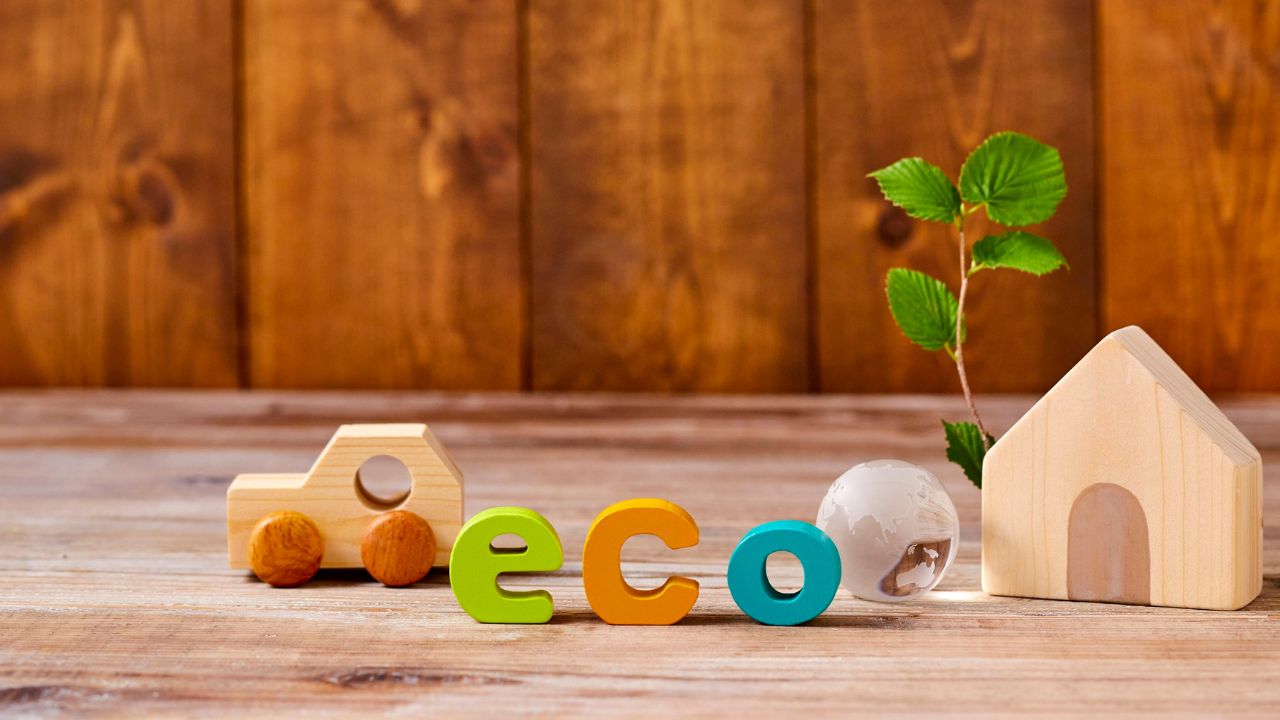
Eco-conscious toys are toys designed to be safer for kids and kinder to the planet. In short, they’re made with responsible materials, fewer harmful chemicals, ethical production practices, and a focus on durability rather than quick disposal. That’s the quick, straight-to-the-point answer.
But eco-conscious toys are more than just wooden blocks and recycled packaging. They’re part of a bigger shift in how we think about play, childhood development, waste, and the long-term impact of the things kids touch every day. Let’s explore what eco-conscious toys really are, why they matter, and how to spot the ones that are genuinely worth bringing home.
What Are Eco-Conscious Toys, Exactly?
Eco-conscious toys are created with an awareness of how materials, manufacturing, and product lifespan affect both children and the environment. Instead of focusing on flashy features or short-lived trends, these toys prioritize safety, sustainability, and meaningful play.
Eco-conscious toys usually share a few key traits:
- Made from sustainable, recycled, or renewable materials
- Free from harmful chemicals or toxic finishes
- Built to last and be reused or passed down
- Designed to support creativity and learning
- Produced with ethical labor practices
The goal isn’t perfection. It’s thoughtful design that reduces harm while still being fun, engaging, and kid-approved.
Why Eco-Conscious Toys Matter More Than Ever
Toy aisles are overflowing, and many toys don’t stick around for long. Cheap plastic toys break easily, get outgrown quickly, and often end up in landfills. In fact, a large number of toys are difficult or impossible to recycle due to mixed materials and electronics.
At the same time, parents are becoming more aware of what their children are exposed to during playtime. Kids explore the world with their hands and mouths, which means toy materials really matter.
Eco-conscious toys matter because they address both issues at once: they reduce environmental waste and create safer play experiences.
Materials Commonly Used in Eco-Conscious Toys
Materials are the foundation of eco-conscious toys. What a toy is made from affects everything from durability to safety to environmental impact.
Natural Wood
Wooden toys are one of the most recognizable eco-conscious options. When sourced responsibly, wood is renewable, durable, and biodegradable. Wooden toys also tend to age well, developing character instead of cracking or snapping.
Unlike plastic, wood doesn’t rely on fossil fuels, and it’s often finished with natural oils or water-based paints rather than harsh chemicals.
Organic and Natural Fabrics
Soft toys and dolls made with organic cotton, wool, or other natural fibers reduce exposure to synthetic chemicals and microplastics. Organic materials are grown without harmful pesticides, making them safer for kids and better for ecosystems.
These fabrics are also breathable and comfortable, which matters for toys kids cuddle or sleep with.
Recycled and Reclaimed Materials
Some eco-conscious toys use recycled plastic or reclaimed materials to reduce waste. When done well, this approach gives existing materials a second life instead of creating new demand.
Recycled materials are especially common in outdoor toys, building sets, and ride-on toys designed for durability.
What Makes a Toy “Non-Toxic” and Why It’s Important
Many conventional toys contain chemicals like BPA, phthalates, lead-based paints, or flame retardants. These substances can be harmful, especially for young children who put toys in their mouths.
Eco-conscious toys avoid these risks by using:
- Water-based or natural paints
- Plant-based dyes
- Food-grade finishes
- Certified non-toxic materials
This matters because children’s bodies are still developing. Reducing unnecessary chemical exposure during early years is a simple step with long-term benefits.
Eco-Conscious Toys and Child Development
Eco-conscious toys aren’t just safer—they often support better play experiences.
Many are designed to encourage open-ended play, where kids use imagination instead of following strict rules or pressing buttons. Think building blocks, pretend-play sets, puzzles, and art supplies.
Open-ended toys help children develop:
- Creativity and problem-solving skills
- Fine motor coordination
- Emotional expression
- Independent thinking
Instead of telling kids how to play, these toys invite them to explore and invent.
Durability: A Key Feature of Eco-Conscious Toys
One of the biggest differences between eco-conscious toys and conventional toys is durability. Eco-conscious toys are built to last, not just to sell.
Stronger materials and thoughtful construction mean these toys can survive rough play, multiple siblings, and years of use. A toy that lasts longer creates less waste and delivers more value over time.
Durability also makes it easier to pass toys down, donate them, or resell them instead of throwing them away.
Ethical Manufacturing and Fair Labor
Eco-conscious toys also consider the people who make them. Ethical production means workers are paid fairly, work in safe conditions, and aren’t exposed to harmful substances during manufacturing.
Many eco-conscious toy brands choose smaller factories or local production to maintain better quality control and transparency. While this can increase costs, it ensures toys are made responsibly from start to finish.
A toy shouldn’t bring joy to one child at the expense of another person’s well-being.
Eco-Conscious Toys vs. Trend-Driven Toys
Trend-driven toys often rely on popular characters, flashing lights, or limited-time hype. Once the trend fades, so does the toy’s appeal.
Eco-conscious toys take a different approach. They focus on timeless play value rather than novelty. Simple designs, neutral colors, and adaptable features allow kids to use the same toy in different ways as they grow.
A wooden kitchen set or a set of building blocks can be exciting at age three and still relevant at age six. That kind of longevity is a major win for sustainability.
Are Eco-Conscious Toys Always More Expensive?
Eco-conscious toys can cost more upfront, but the price difference often reflects higher-quality materials and ethical production.
However, the long-term value is usually better. One durable, well-made toy that lasts years can replace several cheap toys that break quickly or lose appeal.
There are also ways to keep costs manageable:
- Buy fewer toys with higher play value
- Look for secondhand eco-conscious toys
- Rotate toys instead of constantly buying new ones
- Choose quality for frequently used items
Eco-conscious parenting isn’t about buying everything labeled “green.” It’s about making thoughtful choices that fit your budget and values.
How to Spot Truly Eco-Conscious Toys
Not every toy marketed as “eco” lives up to the claim. Some rely on vague language without real substance.
Signs of genuinely eco-conscious toys include:
- Clear information about materials
- Transparent manufacturing practices
- Non-toxic paint and finish details
- Emphasis on durability and repair
- Minimal, recyclable packaging
If a brand can’t explain how or where its toys are made, that’s a good reason to pause.
Eco-Conscious Toys and Reducing Toy Clutter
One unexpected benefit of eco-conscious toys is less clutter. Because these toys are designed for open-ended play, kids often use them in more ways and for longer periods.
Fewer toys with deeper play value create calmer play spaces and make it easier for kids to focus. Many parents find that reducing toy overload actually increases creativity and engagement.
Quality over quantity applies to toys just as much as it does to furniture or clothing.
The Future of Eco-Conscious Toys
As parents become more informed and kids grow up with environmental awareness, eco-conscious toys are becoming less niche and more mainstream.
Toy companies are responding with better materials, clearer labeling, and smarter designs. While progress is gradual, the direction is promising.
The future of toys isn’t louder, brighter, or more disposable. It’s more thoughtful, more durable, and more meaningful.
Final Thoughts: Why Knowing What Eco-Conscious Toys Are Matters
Understanding what eco-conscious toys are helps parents make choices that support both their children and the world those children will grow up in.
Eco-conscious toys don’t sacrifice fun. They simply remove unnecessary harm from the equation. They show that play can be joyful, creative, and responsible at the same time.
Every toy tells a story. Eco-conscious toys just make sure it’s a story worth passing on—one block, doll, or puzzle at a time.