Eco-conscious furniture is furniture designed and made with care for the environment, human health, and long-term use. In plain English, it means choosing furniture that uses responsible materials, avoids harmful chemicals, supports fair labor, and lasts longer than a couple of trend cycles. That’s the quick definition.
But eco-conscious furniture is more than a label you slap on a chair and call it a day. It’s a thoughtful approach to how furniture is created, used, and eventually retired. It affects how your home feels, how much waste you produce, and how your buying choices ripple out into the world. Let’s break it all down in a way that actually makes sense.
What Is Eco-Conscious Furniture, Really?
At its core, eco-conscious furniture is about awareness. It considers the full life of a piece of furniture—from where the materials come from to what happens when the furniture is no longer usable.
Unlike conventional furniture, which often focuses on low cost and fast production, eco-conscious furniture is designed to minimize harm and maximize usefulness. It aims to answer questions most furniture ads avoid, like:
- Where did these materials come from?
- Were people treated fairly while making this?
- Will this still be usable in ten or twenty years?
- Can it be repaired, reused, or recycled?
If furniture is made with those questions in mind, it’s moving in an eco-conscious direction.
Why Eco-Conscious Furniture Is a Big Deal Today
Furniture waste is a growing problem. Fast furniture—cheap, mass-produced, and often poorly built—fills landfills faster than most people realize. Many items are made from particleboard, plastic laminates, and synthetic foams that are difficult or impossible to recycle.
At the same time, people are spending more time at home and paying closer attention to the spaces they live in. Comfort, air quality, and durability matter more than ever.
Eco-conscious furniture matters today because it offers an alternative to throwaway living. It encourages buying less, choosing better, and living with intention instead of impulse.
The Materials That Define Eco-Conscious Furniture
Materials tell the real story behind eco-conscious furniture. A piece can look beautiful, but if it’s made from toxic or wasteful materials, the impact adds up quickly.
Responsibly Sourced Wood
Wood is one of the most common furniture materials, and how it’s sourced makes a huge difference. Eco-conscious furniture often uses wood from responsibly managed forests where trees are replanted and ecosystems are protected.
Reclaimed wood is another popular option. It gives old structures, furniture, or industrial materials a second life. Reclaimed wood pieces often have natural markings and textures that make them feel more personal and less factory-made.
Bamboo and Fast-Growing Alternatives
Bamboo is a favorite in eco-conscious furniture because it grows incredibly fast and regenerates without needing replanting. It’s strong, flexible, and works well in modern furniture designs.
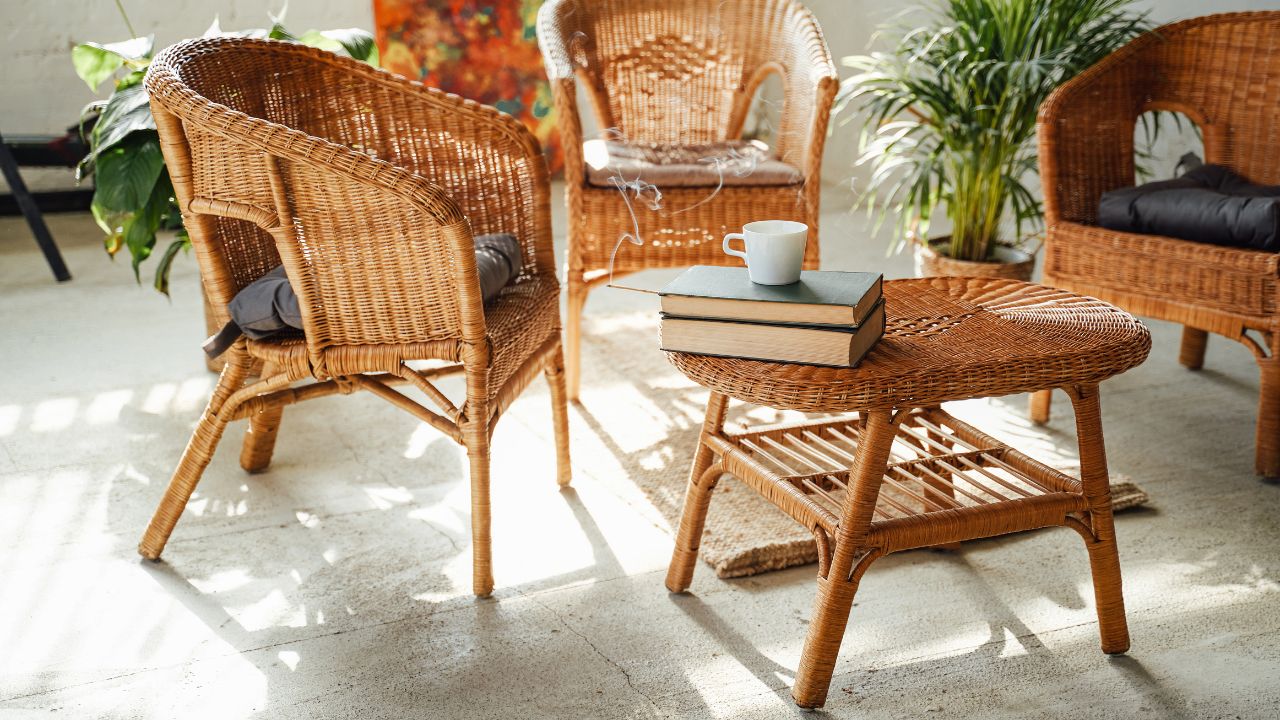
Other fast-growing materials like rattan and cork are also used because they reduce pressure on slow-growing forests.
Recycled and Reused Materials
Eco-conscious furniture may include recycled metal, glass, or plastic. Some upholstery fabrics are made from recycled fibers, turning waste into something functional and attractive.
Upcycled furniture goes a step further by transforming discarded items into entirely new pieces. It’s sustainability with creativity built in.
Non-Toxic Finishes and Why They Matter
Many traditional furniture pieces are coated with finishes, glues, and treatments that release chemicals into the air over time. This process, known as off-gassing, can affect indoor air quality and cause headaches, irritation, or breathing issues.
Eco-conscious furniture avoids these problems by using:
- Water-based finishes
- Low-VOC or VOC-free adhesives
- Natural oils, waxes, or plant-based sealants
This is especially important for bedrooms, children’s rooms, and small living spaces where air circulation is limited. Furniture should support health, not quietly work against it.
Ethical Production and Fair Labor Practices
Eco-conscious furniture doesn’t stop at environmental responsibility. It also considers the people who make it.
Ethical manufacturing means workers are paid fairly, work in safe conditions, and aren’t pushed into unsafe or exploitative labor practices. Many eco-conscious furniture makers choose smaller workshops or local production to maintain better oversight and accountability.
When furniture prices seem unbelievably low, it often means the real cost has been shifted onto workers or the environment. Eco-conscious furniture accepts that fair work deserves fair pay.
Durability: The Quiet Hero of Sustainability
One of the most important features of eco-conscious furniture is durability—and it’s also the most overlooked.
Furniture that lasts longer creates less waste. Solid wood frames, quality joinery, replaceable cushions, and timeless designs mean a piece can stay in use for decades instead of years.
A well-made couch that lasts 20 years is far more eco-friendly than replacing a cheaper one every five years. Durability reduces manufacturing demand, transportation emissions, and landfill waste all at once.
Eco-Conscious Furniture vs. Fast Furniture
Fast furniture is built for speed and trend appeal. It’s often designed to look good briefly and then fall apart or feel outdated.
Eco-conscious furniture takes a different approach. It focuses on:
- Classic, flexible design
- Strong construction
- Materials that age well
- Repairability instead of replacement
This doesn’t mean eco-conscious furniture is boring. It simply avoids chasing trends that don’t last long enough to justify the resources used to create them.
How Eco-Conscious Furniture Changes Your Home
Homes furnished with eco-conscious pieces tend to feel calmer and more grounded. Natural materials bring warmth, texture, and balance into a space.
There’s also a mental shift that happens when you know where your furniture came from and why you chose it. You’re less likely to replace it impulsively and more likely to care for it.
That sense of connection makes a home feel personal rather than disposable.
Is Eco-Conscious Furniture Always Expensive?
Eco-conscious furniture can cost more upfront, but the story doesn’t end at the price tag.
Higher costs usually reflect:
- Better materials
- Ethical labor
- Slower, more careful production
Over time, these pieces often save money because they don’t need frequent replacement. Cheap furniture that breaks quickly is expensive in the long run, even if it doesn’t feel that way at checkout.
There are also budget-friendly ways to choose eco-conscious furniture:
- Buy secondhand or vintage pieces
- Invest in key items like beds or tables
- Repair damaged furniture instead of replacing it
- Mix high-quality staples with simpler accessories
Eco-conscious living is about progress, not perfection.
How to Tell If Furniture Is Truly Eco-Conscious
Not all “green” claims mean much. Real eco-conscious furniture is backed by clear information.
Look for brands that:
- Explain where materials come from
- Are honest about finishes and adhesives
- Talk openly about durability and care
- Avoid vague, feel-good language without details
Transparency is usually a good sign. If a company is proud of how it makes its furniture, it won’t hide the process.
The Future of Eco-Conscious Furniture
As people rethink consumption, eco-conscious furniture is becoming less of a niche and more of a standard. Buyers are asking better questions and expecting better answers.
The future of furniture isn’t about owning more pieces. It’s about owning fewer pieces that do more, last longer, and feel right in your space.
Eco-conscious furniture fits naturally into that future because it respects both the home and the world outside it.
Final Thoughts: Why Knowing What Eco-Conscious Furniture Is Matters
Understanding what eco-conscious furniture is helps you make better choices without guilt or confusion. It’s not about giving up comfort or style. It’s about choosing furniture that supports your values while still fitting your life.
Every chair, table, or shelf has a story behind it. Eco-conscious furniture simply makes sure that story is one worth telling.
One thoughtful purchase at a time, it turns a house into a home—and a home into a quieter, kinder place to live.