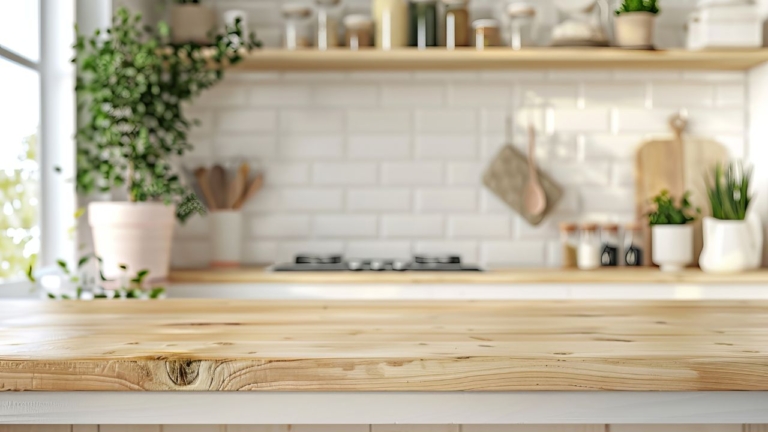
Eco-friendly kitchen tables are tables made with the environment, human health, and long-term use in mind. In simple terms, they’re built using responsible materials, non-toxic finishes, ethical production methods, and designs meant to last for years—not just until the next trend rolls in. That’s the short, clear answer.
But a kitchen table is more than furniture. It’s where meals happen, conversations stretch long, homework gets done, and life quietly unfolds. Choosing an eco-friendly kitchen table means thinking beyond looks and price tags and considering how that table fits into your home, your health, and the planet. Let’s take a closer look at what eco-friendly kitchen tables really are and why they’re worth your attention.
What Makes a Kitchen Table Eco-Friendly?
An eco-friendly kitchen table is designed with its full life cycle in mind. That includes where the materials come from, how the table is made, how long it lasts, and what happens when it’s no longer needed.
Eco-friendly kitchen tables typically focus on:
- Sustainably sourced or recycled materials
- Low-toxicity or non-toxic finishes
- Durable construction for long-term use
- Ethical manufacturing practices
- Minimal waste and responsible packaging
It’s not about perfection. It’s about thoughtful choices that reduce harm while still delivering beauty and function.
Why Eco-Friendly Kitchen Tables Matter Today
The kitchen table sees a lot of action. It’s one of the most used pieces of furniture in a home, which makes it an important place to make a better choice.
Traditional furniture production often relies on mass logging, synthetic materials, and chemical-heavy finishes. Over time, this contributes to deforestation, pollution, and poor indoor air quality.
Eco-friendly kitchen tables matter today because:
- Furniture waste is filling landfills faster than ever
- Indoor air quality affects daily health
- People want fewer, better-made items
- Sustainability is becoming a household priority
When a table is used daily, choosing one that’s built responsibly makes a real difference.
Materials Commonly Used in Eco-Friendly Kitchen Tables
Materials are the backbone of eco-friendly furniture. A table’s environmental impact starts long before it reaches your kitchen.
Responsibly Sourced Solid Wood
Solid wood is one of the most popular materials for eco-friendly kitchen tables, especially when it’s responsibly sourced. This means the wood comes from forests that are managed to protect ecosystems and allow trees to regrow.
Solid wood tables are durable, repairable, and often improve with age. Scratches and dents tell a story instead of signaling the end of the table’s life.
Reclaimed and Recycled Wood
Reclaimed wood gives old materials a second life. It may come from barns, factories, old homes, or discarded furniture. Using reclaimed wood reduces demand for new logging and keeps usable materials out of landfills.
Reclaimed wood kitchen tables often have unique textures, color variations, and character you can’t replicate with new materials.
Bamboo and Fast-Growing Alternatives
Bamboo is a fast-growing, renewable material that works well for modern kitchen table designs. It regenerates quickly and doesn’t require replanting, making it a lower-impact alternative to slow-growing hardwoods.
Other fast-growing options like rubberwood, a byproduct of rubber tree harvesting, are also common in eco-friendly designs.
Recycled Metal and Mixed Materials
Some eco-friendly kitchen tables combine responsibly sourced wood with recycled metal bases or frames. Using recycled steel or aluminum reduces the need for new mining and adds strength and stability to the table.
Non-Toxic Finishes and Why They Matter in the Kitchen
Kitchen tables aren’t just looked at—they’re touched, leaned on, eaten over, and sometimes spilled on. That makes finishes especially important.
Many conventional tables use finishes and adhesives that release chemicals into the air over time. This process, known as off-gassing, can affect indoor air quality and cause irritation or discomfort.
Eco-friendly kitchen tables use:
- Water-based finishes
- Low-VOC or VOC-free adhesives
- Natural oils or waxes
- Plant-based sealants
These finishes are safer for families, pets, and anyone who spends a lot of time around the table—which is usually everyone.
Durability: A Core Feature of Eco-Friendly Kitchen Tables
One of the most eco-friendly qualities a kitchen table can have is durability.
A table that lasts 20 or 30 years prevents multiple replacements, reducing waste, manufacturing emissions, and transportation impact. Eco-friendly kitchen tables are often built with solid joinery, sturdy legs, and materials that can be refinished or repaired instead of discarded.
Fast furniture may be cheaper upfront, but replacing a table every few years quietly costs more—both financially and environmentally.
Ethical Manufacturing and Fair Labor
Eco-friendly kitchen tables don’t stop at materials. How and where a table is made also matters.
Ethical manufacturing means workers are paid fairly, work in safe conditions, and aren’t exposed to harmful chemicals during production. Many eco-friendly furniture makers prioritize transparency and smaller-scale production to maintain quality and accountability.
A table should bring people together, not come from systems that harm others behind the scenes.
Eco-Friendly Kitchen Tables vs. Trend-Driven Tables
Trend-driven furniture often sacrifices quality for quick appeal. Thin veneers, weak joints, and flashy finishes look good briefly but don’t hold up to real-life use.
Eco-friendly kitchen tables lean toward timeless design. Simple shapes, natural materials, and neutral finishes allow the table to fit into changing styles over time.
When your decor evolves, a well-made table can stay right where it is, adapting instead of being replaced.
How Eco-Friendly Kitchen Tables Affect Your Home Environment
A kitchen table made from natural materials and non-toxic finishes contributes to a healthier home. Better air quality, fewer chemical odors, and a more natural feel all make a difference.
There’s also an emotional shift. Sitting at a table you know was made responsibly often creates a deeper sense of appreciation and care. You’re more likely to maintain it, protect it, and keep it long-term.
That sense of connection turns a piece of furniture into part of the home’s story.
Are Eco-Friendly Kitchen Tables Always Expensive?
Eco-friendly kitchen tables can cost more upfront, but the price reflects higher-quality materials and ethical production.
That said, they’re not always out of reach. The long-term value often outweighs the initial cost because:
- They last longer
- They’re repairable
- They don’t need frequent replacement
There are also budget-friendly approaches:
- Buy secondhand or vintage solid wood tables
- Choose a smaller size with better materials
- Invest in the table and save on chairs
- Look for local craftspeople or small makers
Eco-friendly choices don’t require perfection—just intention.
How to Tell If a Kitchen Table Is Truly Eco-Friendly
Not every table labeled “eco” lives up to the claim. Real eco-friendly kitchen tables come with clear information, not vague promises.
Look for:
- Transparency about wood sourcing
- Details on finishes and adhesives
- Emphasis on durability and repair
- Honest discussions of materials used
If a brand can explain how a table is made and why it chose certain materials, that’s usually a good sign.
The Future of Eco-Friendly Kitchen Tables
As people focus more on quality, sustainability, and meaningful spaces, eco-friendly kitchen tables are becoming less niche and more mainstream.
The future of kitchen furniture isn’t disposable. It’s solid, adaptable, and built with care. Tables will continue to shift from short-term decor pieces to long-term investments that anchor the home.
Eco-friendly kitchen tables fit perfectly into that future because they balance function, beauty, and responsibility.
Final Thoughts: Why Understanding Eco-Friendly Kitchen Tables Matters
Knowing what eco-friendly kitchen tables are helps you make smarter choices for your home and the world around it. It’s not about sacrificing style or comfort. It’s about choosing furniture that aligns with how you want to live.
A kitchen table is where life happens—meals, talks, laughter, and quiet moments alike. Choosing an eco-friendly kitchen table ensures those moments happen around something built to last, made with care, and designed to respect both people and the planet.
One table, many meals, and a better story beneath it all.