Saw “EYP” at the end of someone’s message and trying to figure out what they mean? It’s not as straightforward as some acronyms.
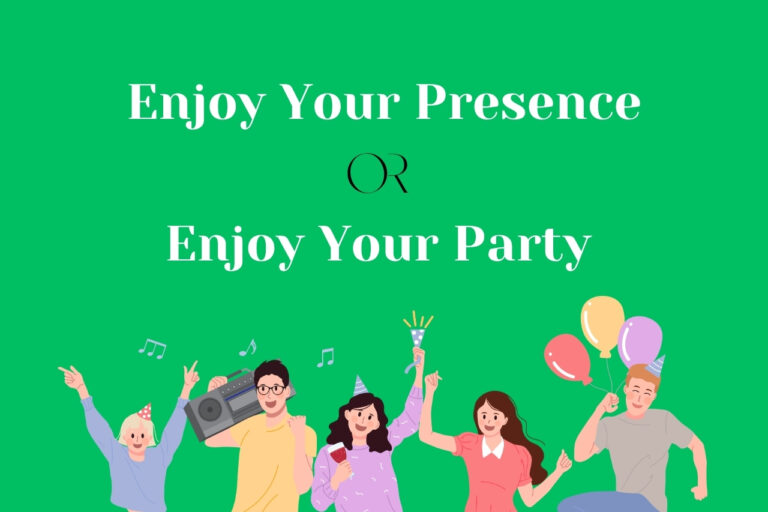
EYP stands for “Enjoy Your Presence” or “Enjoy Your Party” depending on the context. It’s a friendly, positive way to end a conversation or wish someone well—kind of like saying “have fun” or “enjoy yourself.”
What’s interesting about EYP is that it’s one of those acronyms that can shift meaning based on the situation. Someone heading to an event? “Enjoy Your Party.” Someone just being themselves and you appreciate them? “Enjoy Your Presence.” Same letters, different vibes.
I’ve been seeing EYP pop up more in texts, social media comments, and group chats, and it’s become this nice little way to add positivity to digital conversations. Let me break down both meanings, when to use each one, and why this acronym matters more than you might think.
The Two Meanings of EYP
1. Enjoy Your Party
This is probably the more common usage. When someone’s about to go to an event, celebration, gathering, or any social occasion, EYP is a quick way to say “have a great time.”
It’s casual and friendly—more laid-back than typing out the full phrase but warmer than just saying “bye” or “ttyl.”
Examples:
Friend: “Heading to Sarah’s birthday party now!”
You: “EYP! Tell her I said happy birthday”
Text: “About to leave for the concert”
Response: “EYP!! Send pics”
Group chat: “I’m off to the beach with my family for the weekend”
Reply: “EYP! Stay safe”
2. Enjoy Your Presence
This meaning is a bit deeper and more thoughtful. “Enjoy Your Presence” is about being present in the moment, appreciating yourself, or just existing without pressure.
It’s the kind of thing you might say to someone who’s been stressed, overthinking, or just needs a reminder to relax and be themselves.
Examples:
Friend: “I’m just gonna stay in tonight and decompress”
You: “Good for you, EYP ✨”
Message: “Finally have a day to myself with no plans”
Response: “EYP! You deserve it”
Chat: “I’m learning to be okay with doing nothing sometimes”
Reply: “That’s growth, EYP”
How to Tell Which Meaning Someone Intends
Context is everything with EYP. Here’s how to decode which meaning is being used:
If someone mentions an event, plans, or going somewhere → “Enjoy Your Party”
Party, concert, dinner, vacation, wedding, gathering—any social event or outing. EYP means “have fun at the thing you’re doing.”
If someone mentions staying in, being alone, self-care, or mindfulness → “Enjoy Your Presence”
Relaxing, meditating, having alone time, being themselves. EYP means “enjoy being you, enjoy the moment.”
When it’s ambiguous, either works. And honestly? That’s part of what makes EYP nice. It’s flexible enough to fit different situations while still conveying positivity.
Why People Use EYP
It’s Warmer Than Generic Goodbyes
Think about how many times you end conversations with “ok bye” or “ttyl” or “see ya.” Those are fine, but they’re pretty neutral.
EYP adds a little warmth. It shows you’re actually wishing someone well, not just ending the conversation because you have to.
It Works for Multiple Situations
One acronym, two meanings, tons of contexts. Whether someone’s going out or staying in, EYP fits. That versatility makes it useful in a way that more specific phrases aren’t.
It Encourages Enjoyment
There’s something nice about actively telling someone to enjoy themselves. It’s a small reminder to actually be present and have a good time—whether that’s at a party or just alone with your thoughts.
It Fits the Vibe of Casual Digital Talk
EYP is short, sweet, and friendly. It’s perfect for the quick, informal nature of texting and social media messaging where you want to be nice without writing a paragraph.
Real Conversations Using EYP
Let me show you how EYP naturally fits into different types of conversations:
In group chats:
Person A: “Leaving for the wedding now, wish me luck”
Person B: “You’ll be fine!”
You: “EYP! Catch the bouquet 😂”
Social media comments:
Post: “Finally going to that restaurant I’ve been wanting to try”
Comment: “EYP! Let us know how it is”
Text messages:
Friend: “Taking a mental health day tomorrow, just gonna chill”
You: “So proud of you for recognizing that. EYP 💙”
Making plans:
Text: “Can’t make it tonight, but you guys have fun!”
Response: “We’ll miss you! EYP though, rest up”
After venting:
Friend: “Thanks for listening. I’m gonna log off and just be for a while”
You: “Anytime. EYP, you’ve earned it”
When to Use EYP
Perfect situations for EYP:
Someone’s heading to a social event and you want to wish them well. A friend mentions self-care plans and you want to be supportive. You’re wrapping up a conversation on a positive note. Someone’s doing something for themselves and you want to encourage it. In casual chats where the vibe is friendly and relaxed.
EYP works especially well when you want to show you care but don’t want to write out a long response. It hits that sweet spot between thoughtful and efficient.
When to Skip EYP
EYP doesn’t fit when:
The conversation is formal or professional. Your manager doesn’t need an EYP at the end of your email about quarterly reports.
Someone’s dealing with something serious. If a friend just shared bad news or is going through a tough time, EYP can feel too casual or dismissive.
You’re talking to someone unfamiliar with internet slang. They might not know what it means and think you made a typo.
The context is negative. Don’t throw EYP into a conversation about stressful obligations or things the person doesn’t actually want to do.
Bad example:
Friend: “Ugh I have to go to this work function I’m dreading”
Bad response: “EYP!”
Better response: “Good luck, hope it’s not too painful”
See the difference? They’re not going to enjoy it, so wishing them enjoyment feels tone-deaf.
Similar Acronyms and Phrases
If you get EYP, you’ll probably recognize these related expressions:
TTYL – Talk To You Later (neutral goodbye)
HF – Have Fun (similar energy to “Enjoy Your Party”)
GLHF – Good Luck Have Fun (gaming origin, but used broadly)
GTG – Got To Go (abrupt ending)
CYA – See Ya (casual goodbye)
TTYS – Talk To You Soon (friendly but generic)
EYP stands out because it’s more intentionally positive. You’re not just acknowledging the conversation is ending—you’re actively wishing someone enjoyment.
The Conscious Communication Angle
Here’s what I find interesting about EYP from a communication perspective: it’s one of those small digital choices that can actually strengthen relationships.
Think about how it feels to receive an EYP versus a plain “bye.” One feels like the person actually cares about your experience. The other is just… functional.
In digital conversations, we lose so much of the warmth that comes naturally in face-to-face interactions. We can’t smile. We can’t use a friendly tone of voice. We can’t pat someone on the back as they leave.
Acronyms like EYP help bridge that gap. They’re small gestures of care that show you’re thinking about the other person’s experience, not just checking out of the conversation.
But—and this is important—they only work if they’re genuine. If you’re throwing EYP into every conversation without actually meaning it, people will notice. It’ll start to feel like a default sign-off rather than a real sentiment.
Conscious communication means being intentional about when and how you use expressions like EYP. Save it for moments when you genuinely want to encourage someone to enjoy themselves. That authenticity is what makes it meaningful.
Regional and Platform Differences
EYP isn’t equally common everywhere. From what I’ve observed, it tends to show up more in:
Younger demographics who are fluent in texting slang. Friend groups and close communities where people share similar language. Casual social media interactions rather than formal communication platforms.
You’re more likely to see it in personal text messages and group chats than in public social media comments. It has that intimate, friend-to-friend vibe rather than being something you’d post publicly to a wide audience.
Some people have never encountered EYP. Others use it constantly. That’s normal with internet slang—it spreads through networks and communities unevenly.
Adding EYP to Your Digital Vocabulary
Should you start using EYP? That depends on your communication style.
If you’re already someone who uses acronyms and casual slang, EYP probably feels natural. It’s a nice addition to your digital vocabulary that adds warmth without requiring extra effort.
If you tend to type in full sentences and avoid abbreviations, suddenly throwing in EYP might feel forced—both for you and the people you’re texting.
The key is authenticity. Don’t use slang just to use it. Use it when it genuinely helps you express what you want to say in a way that feels true to who you are.
And remember: the goal of all communication—digital or otherwise—is connection. If EYP helps you connect better with the people in your life, great. If it doesn’t fit your style, there are plenty of other ways to show you care.
At the end of the day, whether you end conversations with “bye,” “ttyl,” “see ya,” or “EYP,” what matters most is that the other person feels valued. And sometimes, a simple “Enjoy Your Party” or “Enjoy Your Presence” is exactly the right way to make that happen.
Disclaimer: Internet slang evolves rapidly and may have different meanings in different communities. EYP usage can vary based on social groups, regions, and online platforms.