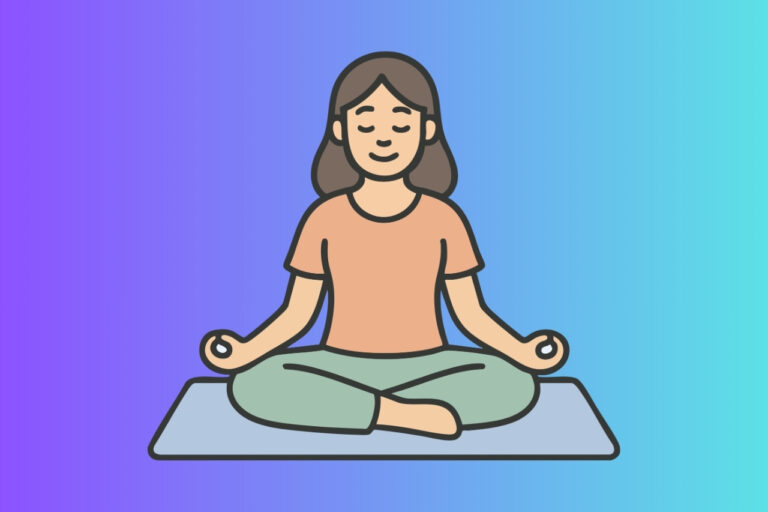
A mindfulness exercise is a deliberate practice that helps you focus your attention on the present moment with openness, curiosity, and without judgment. These exercises train the mind to become more aware of thoughts, emotions, bodily sensations, and surroundings rather than getting lost in worries about the future or regrets about the past.
Mindfulness exercises can be as simple as paying attention to your breathing for a few minutes or as structured as a guided meditation session. Research has shown that regular mindfulness practice can reduce stress, improve focus, support emotional well-being, and even contribute to better physical health.
In today’s always-connected world, mindfulness offers something many people desperately need: a chance to slow down, reset, and reconnect with the present moment. This article explores what mindfulness exercises are, how they work, their proven benefits, and the best techniques for building a sustainable practice.
Understanding Mindfulness
Before diving into specific exercises, it helps to understand what mindfulness actually means.
Mindfulness is the practice of intentionally paying attention to what is happening right now without immediately labeling it as good or bad. Instead of operating on autopilot, mindfulness encourages conscious awareness.
Imagine drinking your morning coffee while checking emails, scrolling social media, and mentally planning your day. Most people have experienced this kind of divided attention. Mindfulness invites you to fully experience the coffee—the aroma, warmth, taste, and sensation of each sip.
The goal is not to stop thinking. Rather, it is to become aware of your thoughts without being controlled by them.
What Is a Mindfulness Exercise?
A mindfulness exercise is any structured activity designed to strengthen present-moment awareness.
These exercises often involve focusing attention on one anchor, such as:
- The breath
- Physical sensations
- Sounds
- Emotions
- Thoughts
- Movement
- Everyday activities
When the mind wanders—which it naturally will—the exercise involves gently bringing attention back to the chosen focus point.
Think of it like mental strength training. Every time you notice your attention drifting and return it to the present moment, you are strengthening your awareness and attention skills.
How Mindfulness Exercises Work
Mindfulness exercises work by interrupting automatic mental patterns.
Many people spend much of their day:
- Replaying past events
- Anticipating future problems
- Reacting emotionally without awareness
- Operating on habit and autopilot
Mindfulness helps create a pause between experiences and reactions.
Instead of instantly reacting to stress, frustration, or anxiety, you become more aware of what is happening internally. This awareness can lead to healthier responses and better emotional regulation.
Over time, consistent practice may help reshape thought patterns, improve concentration, and reduce the impact of chronic stress.
Popular Mindfulness Exercises
Mindful Breathing
Mindful breathing is one of the simplest and most effective mindfulness techniques.
To practice:
- Sit comfortably.
- Focus on your natural breathing.
- Notice the sensation of air entering and leaving your body.
- When your mind wanders, gently return your attention to the breath.
Even a few minutes of mindful breathing can help calm the nervous system and increase mental clarity.
Body Scan Meditation
A body scan involves directing attention through different parts of the body.
Start at your feet and gradually move upward, noticing sensations such as:
- Warmth
- Tension
- Tingling
- Pressure
- Relaxation
The goal is not to change anything but simply to observe.
Body scans are especially useful for reducing stress and improving awareness of physical tension.
Mindful Walking
Mindfulness does not require sitting still.
During mindful walking:
- Walk at a natural pace.
- Pay attention to each step.
- Notice the feeling of your feet contacting the ground.
- Observe sounds, sights, and sensations around you.
This exercise is ideal for people who find traditional meditation challenging.
Five Senses Exercise
This grounding technique helps bring attention to the present moment.
Identify:
- 5 things you can see
- 4 things you can touch
- 3 things you can hear
- 2 things you can smell
- 1 thing you can taste
The exercise is particularly helpful during periods of anxiety or overwhelming stress.
Mindful Eating
Many people eat while distracted by screens, work, or conversations.
Mindful eating encourages you to:
- Eat slowly
- Notice flavors and textures
- Observe hunger and fullness cues
- Appreciate the experience of eating
This practice can improve enjoyment of food and support healthier eating habits.
Loving-Kindness Meditation
Also known as metta meditation, this exercise focuses on cultivating compassion.
Participants silently repeat phrases such as:
- May I be healthy.
- May I be safe.
- May I be happy.
- May I live with ease.
These wishes are gradually extended to others, including friends, strangers, and even difficult individuals.
Mindful Observation
Choose a simple object such as a flower, leaf, candle, or piece of fruit.
Spend several minutes observing it carefully.
Notice:
- Shape
- Color
- Texture
- Patterns
- Shadows
This exercise strengthens concentration and encourages curiosity.
The Benefits of Mindfulness Exercises
Reduced Stress
One of the most widely recognized benefits of mindfulness is stress reduction.
Mindfulness helps lower emotional reactivity and allows people to respond more thoughtfully to stressful situations.
Regular practice can help reduce feelings of overwhelm and improve resilience during challenging times.
Improved Focus and Concentration
Modern life is full of distractions.
Mindfulness trains attention by repeatedly bringing focus back to the present moment.
Over time, many practitioners notice improvements in:
- Productivity
- Mental clarity
- Task completion
- Sustained attention
Better Emotional Regulation
Mindfulness helps individuals become more aware of emotions as they arise.
Instead of immediately reacting to anger, frustration, or sadness, people can observe these feelings and choose more constructive responses.
This skill is valuable in both personal and professional relationships.
Reduced Anxiety
Mindfulness encourages attention to the present rather than worrying about future uncertainties.
Many anxiety symptoms are fueled by repetitive thinking and worst-case scenarios.
Mindfulness helps break this cycle by grounding awareness in what is happening right now.
Enhanced Self-Awareness
Mindfulness creates opportunities to better understand:
- Thought patterns
- Habits
- Emotional triggers
- Behavioral tendencies
Greater self-awareness often leads to better decision-making and personal growth.
Improved Sleep Quality
Many people struggle to sleep because their minds remain active at night.
Mindfulness techniques can help quiet mental chatter and promote relaxation before bedtime.
Potential Physical Health Benefits
Research suggests mindfulness may contribute to:
- Lower blood pressure
- Improved stress management
- Better pain coping strategies
- Enhanced overall well-being
While mindfulness is not a replacement for medical treatment, it can be a valuable complement to a healthy lifestyle.
Best Practices for Mindfulness Exercises
Start Small
One of the biggest mistakes beginners make is trying to meditate for long periods immediately.
Start with:
- One minute
- Three minutes
- Five minutes
Consistency matters more than duration.
Let Go of Perfection
Many people believe they are “bad at mindfulness” because their minds wander.
Mind wandering is normal.
The practice is not about maintaining perfect focus. It is about noticing distractions and gently returning attention.
Practice Consistently
Benefits typically emerge through regular repetition.
A daily five-minute practice often produces better results than a one-hour session once a week.
Use Everyday Activities
Mindfulness can be incorporated into daily routines.
Try practicing while:
- Brushing your teeth
- Washing dishes
- Walking the dog
- Drinking coffee
- Waiting in line
Everyday moments can become opportunities for mindful awareness.
Create a Supportive Environment
Choose a quiet location when possible.
While mindfulness can be practiced anywhere, beginners often find it easier to learn in environments with fewer distractions.
Be Patient
Mindfulness is a skill that develops over time.
Some days will feel easier than others. Progress is often gradual and subtle.
Patience and consistency are key.
Common Misconceptions About Mindfulness
Mindfulness Means Emptying the Mind
This is perhaps the most common myth.
Mindfulness is not about eliminating thoughts. It is about noticing thoughts without becoming consumed by them.
Mindfulness Is Only Meditation
Meditation is one form of mindfulness practice, but mindfulness can also be integrated into everyday activities.
Mindfulness Is a Quick Fix
Mindfulness can provide immediate moments of calm, but lasting benefits generally develop through regular practice.
Mindfulness Is Religious
While mindfulness has roots in ancient contemplative traditions, modern mindfulness practices are widely used in secular settings, including healthcare, education, and corporate wellness programs.
How to Get Started Today
If you are new to mindfulness, begin with a simple breathing exercise.
Set a timer for three minutes.
Sit comfortably and focus on your breath. Each time your attention drifts, gently return it to the sensation of breathing.
That is it.
You do not need special equipment, advanced training, or hours of free time. A few mindful minutes each day can serve as the foundation for a healthier and more balanced relationship with your thoughts, emotions, and experiences.
Final Thoughts
A mindfulness exercise is a practical tool for developing present-moment awareness and improving overall well-being. Whether you choose mindful breathing, body scans, walking meditation, or mindful eating, these techniques help train attention, reduce stress, and build greater emotional resilience.
The beauty of mindfulness lies in its simplicity. You do not need to change your life overnight. You simply need to pay attention to the moment you are already living.
With regular practice, mindfulness exercises can transform ordinary moments into opportunities for greater clarity, calm, and connection.