Quick Answer
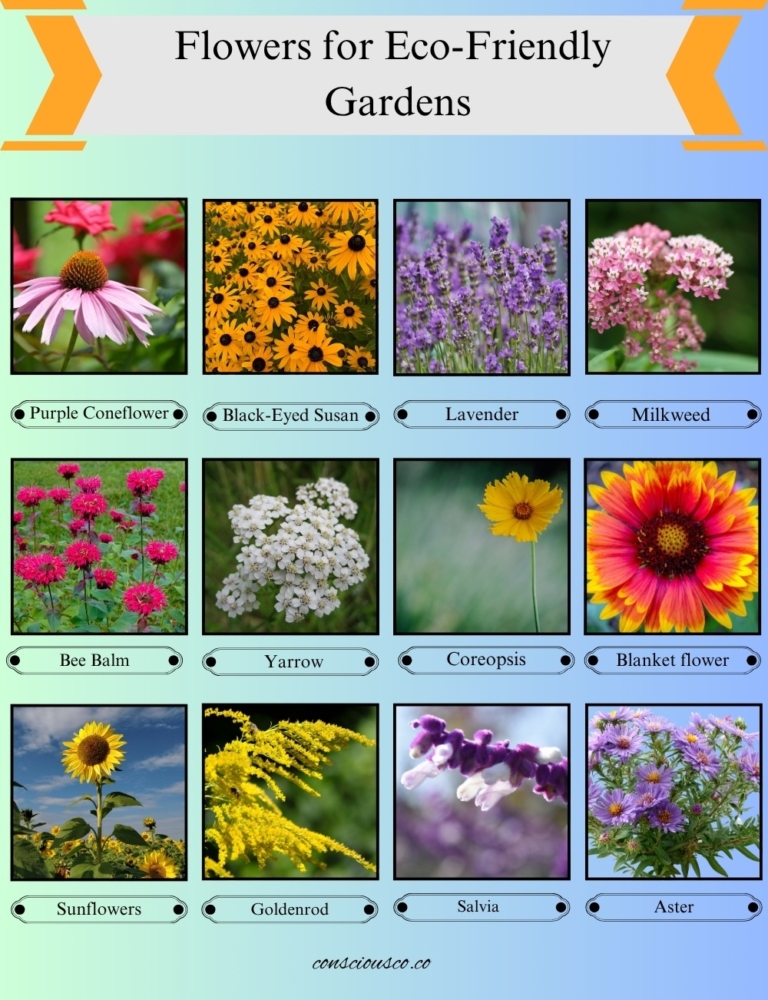
The best flowers for eco-friendly gardens are native, pollinator-friendly, drought-tolerant species like coneflowers (Zones 3-9), black-eyed Susans (Zones 3-9), lavender (Zones 5-9), milkweed (Zones 3-9), and bee balm (Zones 4-9). Choose plants native to your region for maximum ecological impact with minimal maintenance.
Understanding USDA Hardiness Zones
Before we dive into specific flowers, let’s clarify what “Zones” mean throughout this guide.
USDA Hardiness Zones are geographic areas defined by their average annual minimum winter temperature. The United States is divided into 13 zones, numbered 1-13, with Zone 1 being the coldest (Alaska) and Zone 13 being the warmest (Hawaii and Puerto Rico).
When you see “Zones 3-9” next to a plant, it means that plant can survive winters in those climate zones. For example:
- Zone 3: -40°F to -30°F (very cold – northern states)
- Zone 5: -20°F to -10°F (cold – Midwest, mountain states)
- Zone 7: 0°F to 10°F (moderate – mid-Atlantic, Pacific Northwest)
- Zone 9: 20°F to 30°F (warm – southern coastal areas, California)
To find your zone: Visit the USDA Plant Hardiness Zone Map at planthardiness.ars.usda.gov and enter your ZIP code. This ensures you choose plants that will survive winter in your area.
My Wake-Up Call: When My “Perfect” Garden Failed
Three years ago, I spent $800 on a stunning array of hybrid roses, exotic tulips, and imported ornamental grasses. By August, I was watering twice daily, battling Japanese beetles with chemical sprays, and watching my water bill climb.
Then my neighbor—a retired ecologist with a “messy” yard full of coneflowers and wild bergamot—showed me her garden’s visitor log: 14 species of native bees, 6 butterfly species, and regular hummingbird visits. Her water usage? Half of mine. Her pesticide use? Zero.
That conversation changed everything.
Now, my garden thrives with 80% less water, zero chemicals, and more life than I ever thought possible. Here’s everything I learned about building a truly eco-friendly garden that works with nature instead of against it.
What Makes a Flower Eco-Friendly?
Not all flowers are created equal when it comes to sustainability.
A flower is considered eco-friendly if it:
- Supports pollinators like bees, butterflies, and birds
- Is native or well-adapted to your region
- Requires minimal water, fertilizer, and pesticides
- Helps improve soil health and biodiversity
- Thrives in local climate without extraordinary intervention
The U.S. Fish & Wildlife Service emphasizes that pollinator-friendly plants are critical for maintaining healthy ecosystems—and with pollinator populations declining by up to 25% in recent decades, your garden choices genuinely matter.
Why Eco-Friendly Flowers Matter
1. Supporting Pollinators in Crisis
The stark reality: According to the Xerces Society, over 40% of pollinator species are at risk of extinction.
Why? Habitat loss, pesticide exposure, and lack of food sources.
What eco-friendly flowers do:
- Provide nectar and pollen through multiple seasons
- Offer host plants for caterpillars (future butterflies)
- Create safe nesting sites for native bees
- Support hummingbirds during migration
2. Reducing Water and Chemical Use
| Traditional Garden | Eco-Friendly Garden |
| 40-60 gallons per 100 sq ft/week | 10-20 gallons per 100 sq ft/week |
| Frequent fertilization needed | Minimal to zero fertilizer |
| Pesticide dependency | Natural pest resistance |
| Soil amendments required | Thrives in native soil |
Real impact: A 500 sq ft eco-friendly garden can save 10,000+ gallons of water annually compared to a traditional lawn or high-maintenance flower bed.
Best Eco-Friendly Flowers for Your Garden
1. Purple Coneflower (Echinacea purpurea)
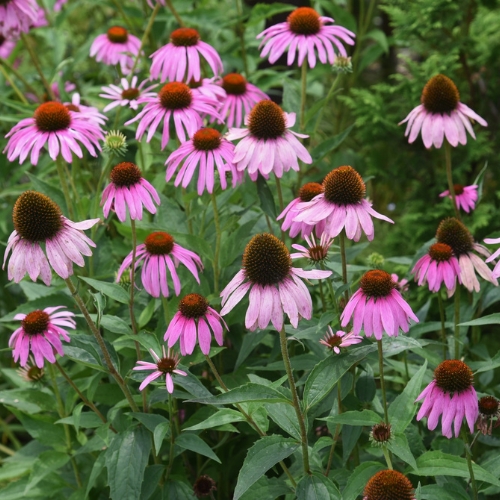
Visual Description: Striking pink-purple daisy-like blooms with prominent orange central cones, 2-4 feet tall
Zones: 3-9 | Bloom Time: June – September | Sunlight: Full Sun
Why It’s Eco-Friendly:
- Native to central and eastern North America
- Attracts 15+ species of bees and butterflies
- Goldfinches feast on seed heads in fall/winter
- Drought-tolerant once established
- Deer resistant
Pro Tip: Deadhead for continuous blooms, or leave seed heads for winter bird food
Companion Plants: Black-eyed Susans, bee balm, little bluestem grass
2. Black-Eyed Susan (Rudbeckia hirta)
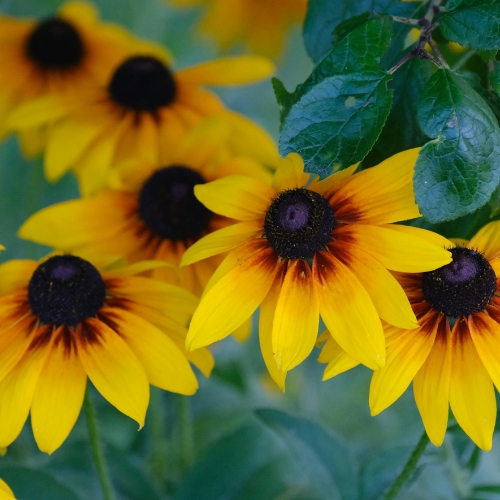
Visual Description: Cheerful golden-yellow petals with dark chocolate-brown centers, 1-3 feet tall
Zones: 3-9 | Bloom Time: June – October | Sunlight: Full Sun to Part Shade
Why It’s Eco-Friendly:
- Native to most of North America
- Excellent for bees, butterflies, and moths
- Tolerates wet and dry conditions
- Self-sows gently (won’t become invasive)
- Provides winter interest and bird food
Pro Tip: Allow self-seeding for continuous presence
Companion Plants: Purple coneflower, yarrow, ornamental grasses
3. Lavender (Lavandula)
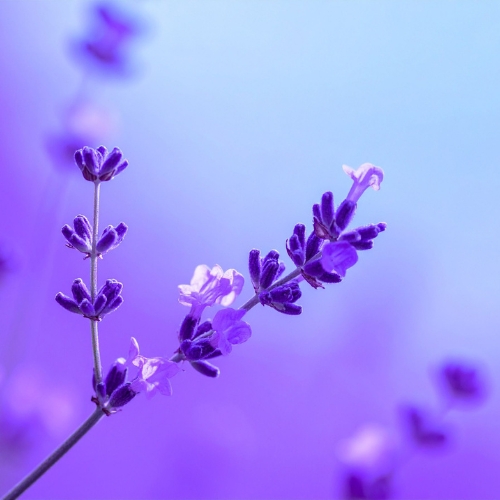
Visual Description: Fragrant purple flower spikes above silvery-green foliage, 1-3 feet tall
Zones: 5-9 | Bloom Time: June – August | Sunlight: Full Sun Required
Why It’s Eco-Friendly:
- Extremely drought-tolerant once established
- Attracts bees, butterflies, and beneficial insects
- Repels mosquitoes and deer naturally
- Requires zero fertilizer
- Aromatherapy bonus
Pro Tip: Prune back by 1/3 after blooming. Avoid overwatering!
Companion Plants: Rosemary, sage, Russian sage, yarrow
4. Milkweed (Asclepias species)
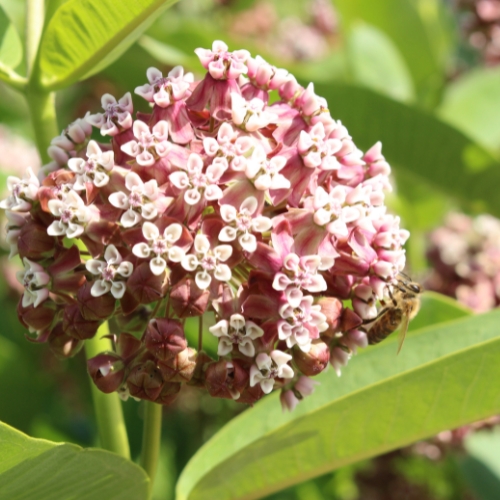
Visual Description: Clusters of pink, orange, or white star-shaped flowers; distinctive seed pods in fall
Zones: 3-9 | Bloom Time: June – August | Sunlight: Full Sun
Why It’s Eco-Friendly:
- CRITICAL for monarch butterflies—the ONLY host plant for their caterpillars
- Provides nectar for 20+ pollinator species
- Deep roots prevent erosion and improve soil
- Thrives without fertilizer or pesticides
Pro Tip: Plant in dedicated “butterfly zones” as common milkweed spreads via rhizomes
Companion Plants: Black-eyed Susans, coreopsis, little bluestem grass
5. Bee Balm (Monarda didyma)
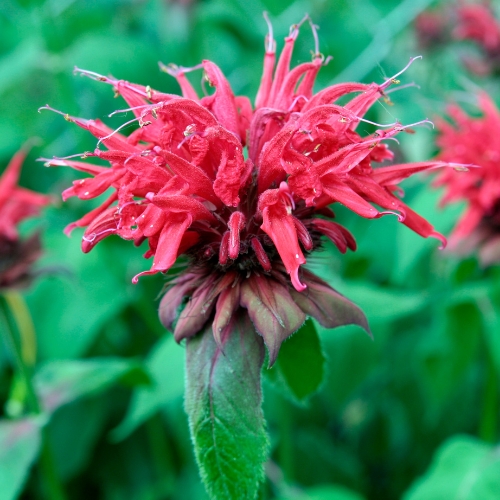
Visual Description: Shaggy, tubular flower clusters in red, pink, purple, or white; aromatic minty foliage, 2-4 feet
Zones: 4-9 | Bloom Time: July – September | Sunlight: Full Sun to Part Shade
Why It’s Eco-Friendly:
- Native to eastern North America
- #1 choice for attracting hummingbirds
- Also loved by bees, butterflies, and moths
- Aromatic oils deter pests
- Edible flowers (use in teas)
Pro Tip: Choose mildew-resistant varieties like ‘Jacob Cline’ or ‘Raspberry Wine’
Companion Plants: Daylilies, hostas, ferns (for partial shade)
6. Yarrow (Achillea millefolium)
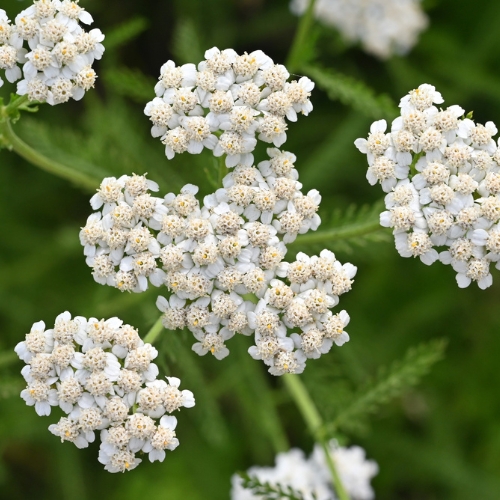
Visual Description: Flat-topped flower clusters in white, yellow, pink, or red; feathery foliage, 1-3 feet
Zones: 3-9 | Bloom Time: June – September | Sunlight: Full Sun
Why It’s Eco-Friendly:
- Attracts beneficial predatory insects
- Fixes nitrogen in soil
- Survives neglect, drought, and heat
- Deep roots break up compacted soil
Pro Tip: Cut back after first bloom for second flowering
Companion Plants: Lavender, Russian sage, sedum
7. Coreopsis (Tickseed)
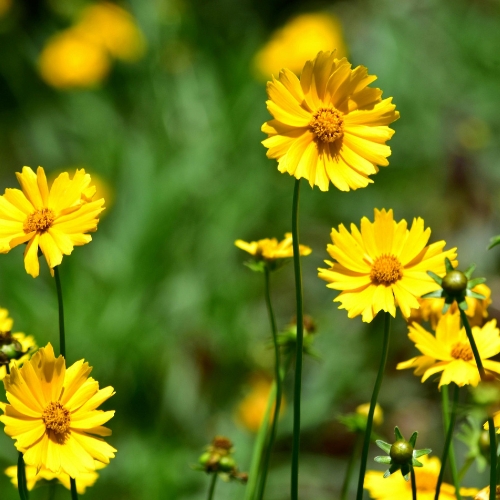
Visual Description: Cheerful yellow daisy-like flowers, 1-2 feet tall
Zones: 4-9 | Bloom Time: June – September | Sunlight: Full Sun
Why It’s Eco-Friendly:
- Native to North America
- Drought and heat tolerant
- Deer resistant
- Provides nectar for butterflies and bees
Pro Tip: Deadhead regularly for non-stop blooms
Companion Plants: Black-eyed Susans, Russian sage, ornamental grasses
8. Blanket Flower (Gaillardia)
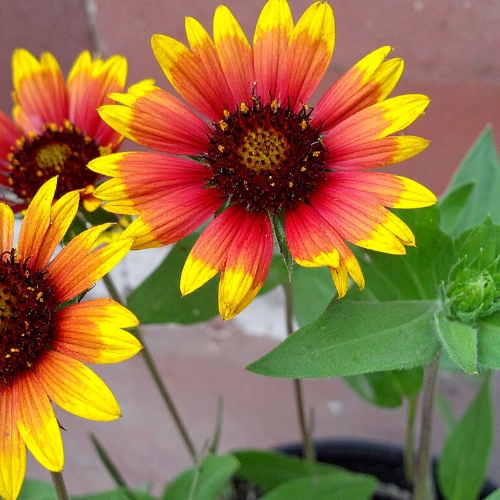
Visual Description: Fiery red-orange petals with yellow tips, 1-2 feet tall
Zones: 3-10 | Bloom Time: June – Frost | Sunlight: Full Sun
Why It’s Eco-Friendly:
- Native to central and western U.S.
- Extreme drought and heat tolerance
- Thrives in poor, sandy soil
- Salt tolerant (coastal gardens)
Pro Tip: Avoid rich soil. Short-lived perennial; allow self-seeding
Companion Plants: Yarrow, Russian sage, cacti (in Southwest)
9. Sunflowers (Helianthus)
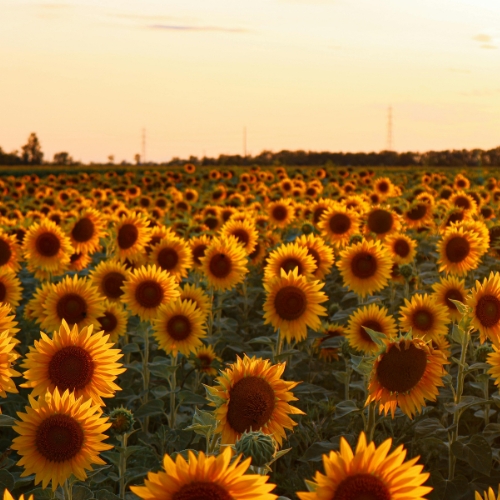
Visual Description: Iconic yellow blooms from 6 inches to 12 feet tall
Zones: All Zones | Bloom Time: July – September | Sunlight: Full Sun
Why It’s Eco-Friendly:
- Provide nectar for pollinators in summer
- Seeds feed songbirds in fall/winter
- Deep roots improve soil structure
- Native to North America
Pro Tip: Plant succession crops every 2 weeks for continuous blooms
Companion Plants: Milkweed, coneflowers, tall grasses
10. Goldenrod (Solidago)
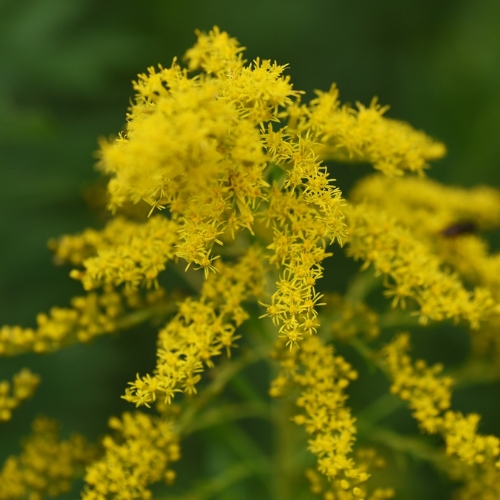
Visual Description: Plume-like golden-yellow flower sprays, 2-5 feet tall
Zones: 3-9 | Bloom Time: August – October | Sunlight: Full Sun to Part Shade
Why It’s Eco-Friendly:
- CRITICAL late-season nectar source when few plants bloom
- Supports migrating monarchs
- Does NOT cause allergies (ragweed does!)
- Provides winter shelter for insects
Pro Tip: Choose clump-forming varieties like ‘Fireworks’ to avoid spreading
Companion Plants: Asters, Joe-Pye weed, ornamental grasses
11. Salvia (Salvia species)
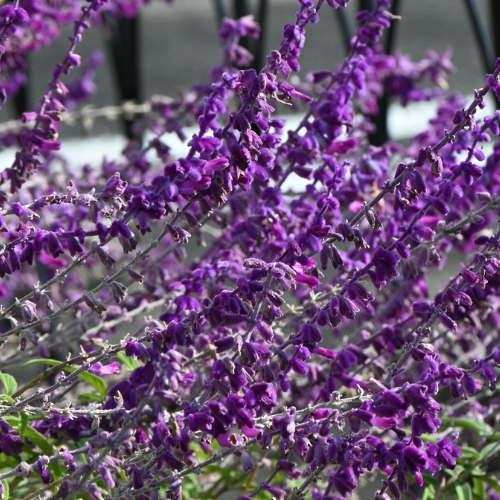
Visual Description: Tubular flower spikes in blue, purple, red, or white; aromatic foliage, 1-4 feet tall
Zones: 4-10 | Bloom Time: May – October | Sunlight: Full Sun
Why It’s Eco-Friendly:
- Many native North American species available
- Beloved by hummingbirds and bees
- Extremely drought-tolerant once established
- Long blooming period provides continuous nectar
- Deer and rabbit resistant
Pro Tip: Deadhead regularly to encourage more blooms throughout the season
12. Aster (Symphyotrichum species)
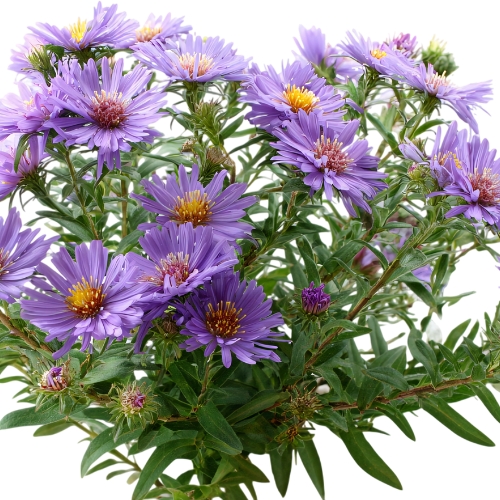
Visual Description: Daisy-like flowers with purple, pink, blue, or white petals and yellow centers, 1-6 feet tall
Zones: 3-8 | Bloom Time: August – November | Sunlight: Full Sun to Part Shade
Why It’s Eco-Friendly:
- Native to North America
- ESSENTIAL fall nectar source for migrating monarchs
- Supports over 100 species of native bees
- Provides seeds for overwintering birds
- Tolerates a wide range of soil conditions
Pro Tip: Cut plants back by half in early June for bushier growth and more flowers
Companion Plants: Goldenrod, sedum, ornamental grasses
Seasonal Bloom Calendar
The key to an eco-friendly garden is continuous bloom—pollinators need food spring through fall.
| Season | Months | Key Flowers |
| Early Spring | March – April | Creeping Phlox, Wild Columbine, Virginia Bluebells |
| Late Spring | May – June | Beardtongue, Salvia, Butterfly Weed |
| Summer | July – August | Bee Balm, Purple Coneflower, Black-eyed Susan, Salvia |
| Late Summer/Fall | September – October | Goldenrod, Aster, Sedum, Salvia |
| Winter Interest | November – February | Leave seed heads standing for birds |
Cost Comparison: Traditional vs Eco-Friendly Garden
300 sq ft garden (5 years total cost):
| Item | Traditional | Eco-Friendly |
| Initial Plants | $180 | $240 |
| Watering (5 years) | $360 | $90 |
| Fertilizer | $150 | $0 |
| Pesticides | $120 | $0 |
| Soil Amendments | $90 | $30 |
| Replacements | $240 | $60 |
| TOTAL | $1,140 | $420 |
Savings: $720 over 5 years + countless hours of maintenance time
Common Mistakes to Avoid
Mistake #1: Choosing Only Decorative Plants
The Problem: Hybridized ornamentals often lack ecological value
The Fix: Choose single-petal varieties and native cultivars
Mistake #2: Overwatering
The Problem: Most eco-friendly plants evolved for periodic drought
The Fix: Deep, infrequent watering beats shallow, frequent watering
Mistake #3: Cleaning Up Too Much
The Problem: Removing all “mess” eliminates critical wildlife habitat
The Fix: Leave seed heads, standing stems, and leaf litter through winter
Quick Reference Chart
| Flower | Zones | Height | Bloom | Primary Benefit |
| Purple Coneflower | 3-9 | 2-4′ | Jun-Sep | Butterflies, bees, birds |
| Black-eyed Susan | 3-9 | 1-3′ | Jun-Oct | Bees, butterflies |
| Lavender | 5-9 | 1-3′ | Jun-Aug | Drought tolerance |
| Milkweed | 3-9 | 2-4′ | Jun-Aug | MONARCHS (critical) |
| Bee Balm | 4-9 | 2-4′ | Jul-Sep | HUMMINGBIRDS |
| Yarrow | 3-9 | 1-3′ | Jun-Sep | Beneficial insects |
| Coreopsis | 4-9 | 1-2′ | Jun-Sep | Long bloom |
| Blanket Flower | 3-10 | 1-2′ | Jun-Frost | Heat/drought champion |
| Sunflower | All | 1-12′ | Jul-Sep | Bird seed food |
| Goldenrod | 3-9 | 2-5′ | Aug-Oct | Late-season nectar |
| Salvia | 4-10 | 1-4′ | May-Oct | Hummingbirds, long bloom |
| Aster | 3-8 | 1-6′ | Aug-Nov | Fall nectar, native bees |
Start Small, Think Big
You don’t need to convert your entire yard overnight.
Start with just one bed.
Plant a few coneflowers, black-eyed Susans, and a patch of milkweed. Watch what happens.
Within weeks, you’ll notice bees visiting. By late summer, you might spot your first monarch caterpillar. Come fall, goldfinches will feast on the seed heads.
That’s when it clicks: You’re not just growing flowers. You’re growing habitat.
Your Next Steps
- Find your USDA hardiness zone
- Identify one sunny spot (6+ hours sun) in your yard
- Choose 3-5 plants from the recommendations above
- Source plants from a native nursery or seed supplier
- Plant this spring or fall
Three years ago, my garden was a sterile, water-guzzling disappointment.
Today, it’s a living ecosystem that practically cares for itself—and I’ve never been prouder of something I’ve grown.
Your garden can become a refuge too.
Start this weekend. Plant one native flower. See what shows up.
The pollinators are waiting. 🐝
Additional Resources
Organizations
- Xerces Society (xerces.org) – Pollinator conservation, plant guides
- National Wildlife Federation (nwf.org) – Native plant finder tool
- Wild Ones (wildones.org) – Local chapters, native plant education
- Audubon Society (audubon.org) – Bird-friendly native plants database
Books
- Bringing Nature Home by Douglas Tallamy
- The Living Landscape by Rick Darke & Doug Tallamy
- Native Plants for Your Region (series by various authors)
Online Tools
- USDA Hardiness Zone Map – planthardiness.ars.usda.gov
- NWF Native Plant Finder – nwf.org/nativeplantfinder
- Xerces Pollinator Plant Lists – xerces.org/pollinator-conservation